Aftermarket services carry gross margins that are twice the 15% to 25% typically earned from equipment sales, according to BCG research published in February 2025. The same study found that manufacturers who prioritise those services generate a third or more of their total income from them.
So the most profitable part of an equipment business is the part that happens after the sale. And for most manufacturers, it happens somewhere they cannot see, carried out by people who do not work for them.
Key Takeaways
- Aftermarket services carry roughly double the gross margin of new equipment sales, and a third or more of income for manufacturers who pursue them.
- That business runs through dealers and distributors, so the manufacturer sees the invoice but rarely the event behind it.
- Manufacturer, dealer and operator each hold a partial record, and none of the three is wrong.
- Shared visibility works when the machine reports for itself, not when dealers are asked to file more paperwork.
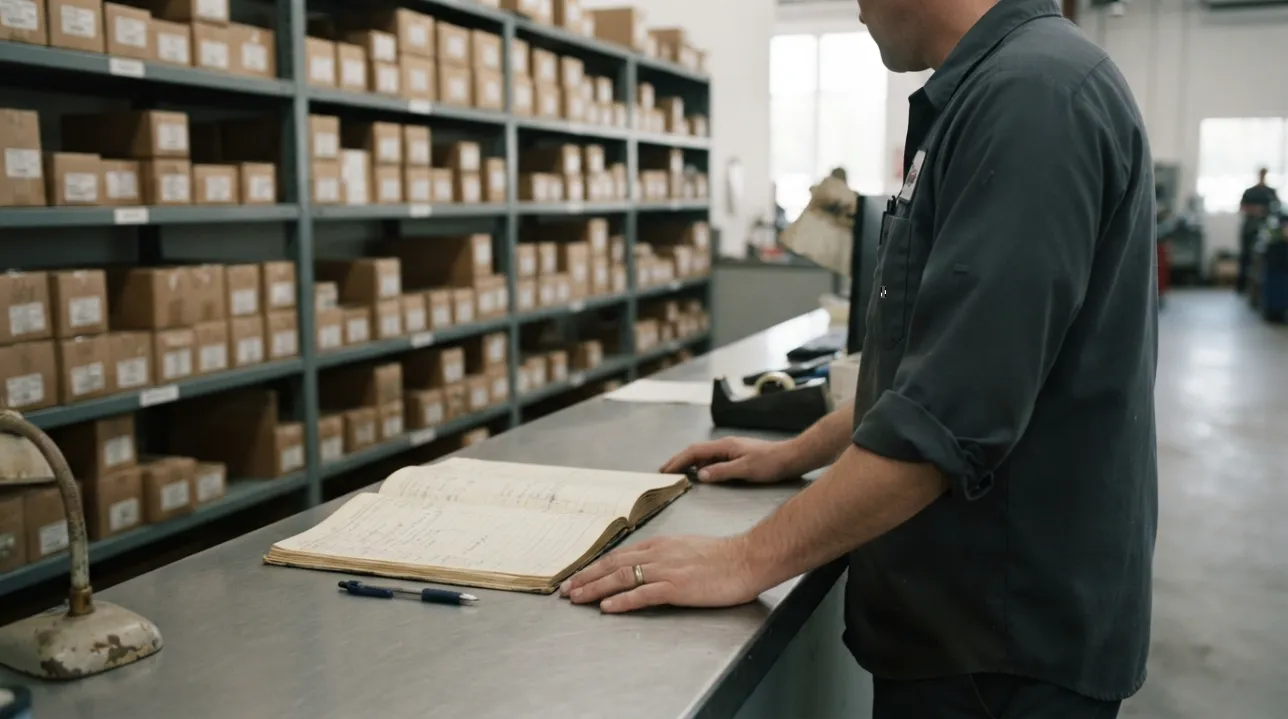 The Profitable Part Happens Out of Sight
An equipment manufacturer knows a great deal about a machine until the moment it ships, and comparatively little afterwards. That would matter less if the post-sale period were commercially quiet. It is the opposite. BCG puts the gross margin on spare parts and consumables at around 50 percent of sales, and reports that service revenue is now growing faster than new equipment sales at most companies.
The difficulty is structural rather than anyone’s fault. A dealer network exists precisely so the manufacturer does not have to be in every territory. The trade-off is that the closer the work gets to the customer, the further it gets from the factory.
Three Parties, Three Versions of the Same Machine
Ask three people about the same serial number and you will get three answers, all given in good faith.
The manufacturer knows what was built, what was shipped, and what has been claimed under warranty. The record effectively stops at the loading dock.
The dealer knows what was serviced, what was replaced and what the customer complained about, held in their own system in their own format, and shared with the factory only when a process requires it.
The operator knows how the machine is actually used: the hours, the conditions, the workarounds nobody wrote down.
 None of these is the complete picture, and no amount of reporting fixes it, because each party is faithfully recording a different thing.
What the Manufacturer Cannot See
The practical consequences are specific.
Failure patterns stay local. A component failing repeatedly in one territory looks like a regional quirk to the dealer handling it. Only the manufacturer could tell whether it is happening everywhere, and the manufacturer is the one who cannot see it.
Parts demand is guessed. Forecasting stock without knowing the runtime hours across the installed base means forecasting from past sales, which describes the past.
Service quality is invisible. Two dealers with identical warranty numbers may be doing very different work. Nothing in the claim data separates them.
Design feedback arrives late and thin. By the time a field issue reaches engineering it has passed through an operator, a technician and a claim form, and most of the detail has been lost on the way.
Why This Is Not a Dealer Problem to Fix
The instinct is to ask dealers for better reporting. It rarely works, and it is worth being honest about why.
Dealers are independent businesses. Additional reporting is unpaid administration that competes with billable work. The dealers who comply are often the ones with spare capacity rather than the ones with the most interesting data. And a manufacturer asking for more visibility into dealer activity can easily read as a manufacturer checking up on its dealers, which damages the relationship the whole network depends on.
This is the distinction that matters: visibility into the machine is not surveillance of the dealer. When the equipment reports its own hours and condition, nobody is being asked to prove anything. The dealer gets the same record the factory does, which is usually more than they had before.
Consent still belongs in the design. Every serious player in connected equipment operates on customer permission, and a shared record should be something the operator agrees to rather than something that arrives with the machine unannounced.
What Changes When Everyone Reads the Same Record
Shared visibility is less dramatic than it sounds. It mostly removes arguments.
Warranty conversations start from the machine’s own hours rather than from two accounts of them. Parts planning uses actual usage across the installed base. A dealer arriving at a job can see the service history even if the previous visit was made by a different dealer. And engineering can group failures by how machines were genuinely worked, which is the difference between a design change and a specification conversation.
None of that requires the dealer to do anything differently. The data comes from the equipment.
What You Should Be Able to See Without Asking
A practical test. For any unit in your installed base, can you answer these without telephoning a dealer?
- Who is operating it now, and in what conditions?
- How many hours has it run since its last service?
- What was replaced at that service, and by whom?
- Are units in this territory failing differently from units elsewhere?
- Which parts will this region need in the next quarter?
Most manufacturers can answer parts of these from warranty records, after the fact. Very few can answer them now.
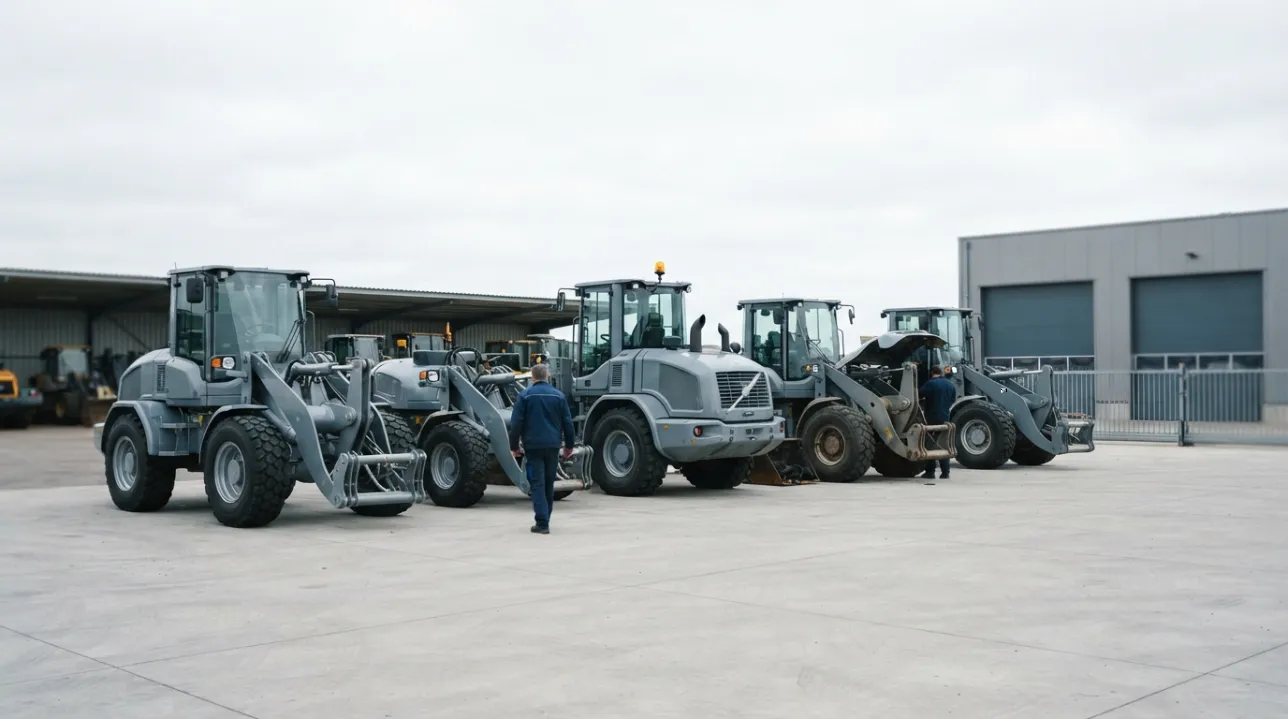 Where ARMOR™ Fits
ARMOR Asset Central™ supports multiple organisation types syncing into the same verified record, including distribution networks and OEM partners. Manufacturers, distributors, dealers and the operators running the equipment read from one record rather than reconciling three.
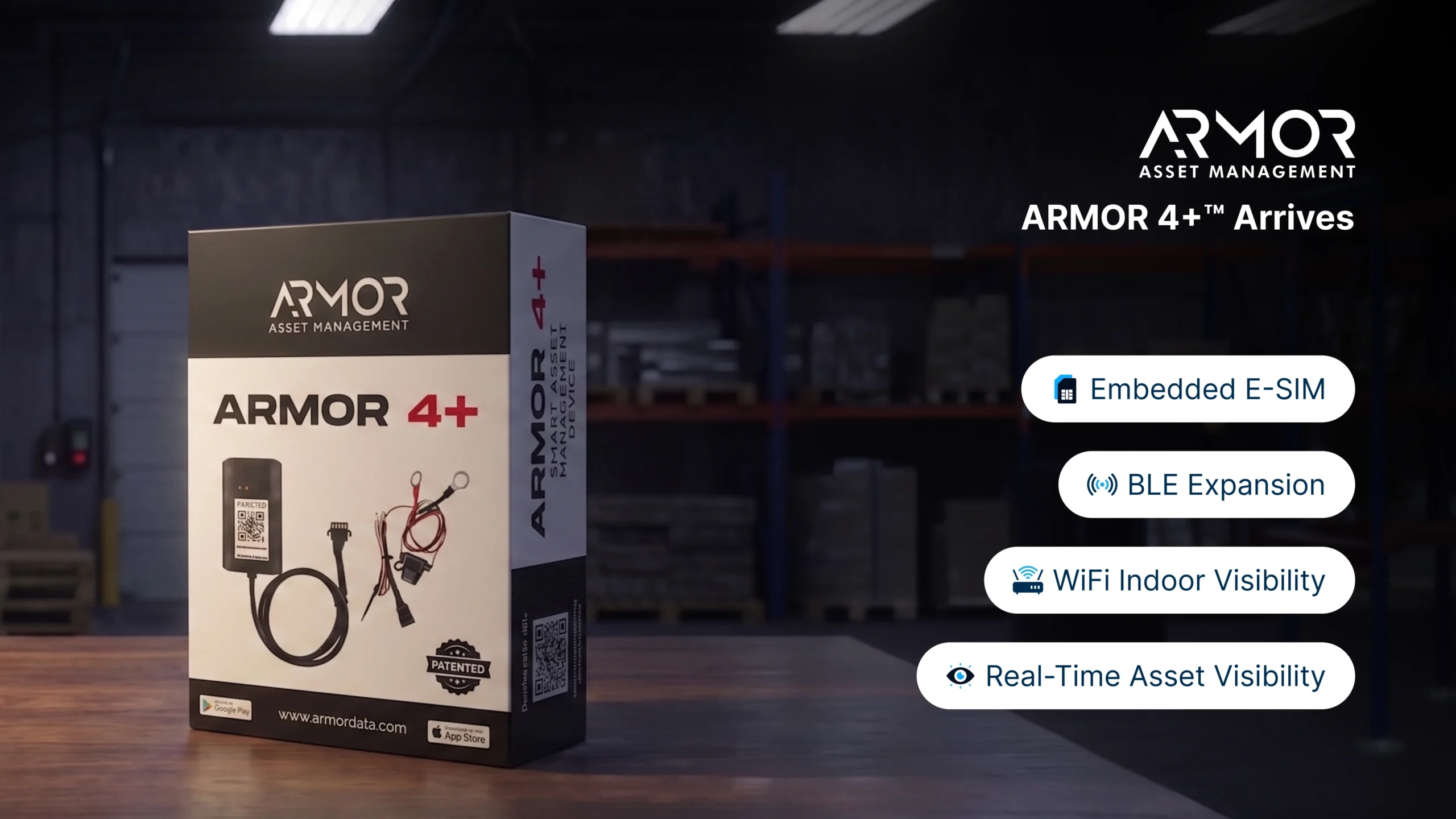
The ARMOR 4+™ unit installs non-destructively alongside your existing electrical system using standard wiring harnesses, so there is no bill-of-materials redesign, and it captures runtime hours, location and health data directly from the machine. The dealer is not asked to file anything extra, because the equipment is the source.
It does not replace your ERP or your dealer systems. It gives all of them the same underlying facts.
How this works at the build stage is set out on the ARMOR for Equipment Manufacturers page.
Frequently Asked Questions
Will dealers see this as the manufacturer checking up on them?
It is a fair concern and worth addressing directly when you roll it out. The framing that works is that the machine reports on itself, and the dealer reads the same record the factory does. In practice dealers usually gain: service history follows the machine, so a technician is not working blind on a unit somebody else last touched.
Do dealers have to change their systems or processes?
No. The data comes from the equipment rather than from dealer reporting, which is the reason this approach works where reporting mandates have not.
Who owns the data, the manufacturer or the customer?
The equipment owner does, and any credible deployment runs on their consent. The manufacturer gains visibility because the customer agrees to share it, usually in exchange for better support and faster warranty handling.
We only sell through distributors. Does this still apply?
Yes, and often more so, because an additional party sits between you and the machine. ARMOR Asset Central™ supports distribution networks as an organisation type reading the same record.
See how ARMOR™ is built into equipment like yours, at the build stage. ARMOR for Equipment Manufacturers