United States manufacturers paid $30.37 billion in warranty claims in 2025, according to Warranty Week’s 23rd Annual Product Warranty Report, published in April 2026. That is a 4 percent rise on the year before.
The more revealing number is the one underneath it. Those same manufacturers were holding $71.89 billion in warranty reserves at the end of 2025, an increase of 17 percent. Reserves are growing four times faster than the claims being paid against them.
That gap is not an accounting quirk. You reserve heavily for a cost you cannot predict, and for most manufacturers warranty is exactly that: a liability decided long after the machine left the building, by people who cannot see it.
Key Takeaways
- US manufacturers paid $30.37bn in warranty claims in 2025 and hold $71.89bn in reserves, a figure rising four times faster than claims.
- Industrial warranty terms are written in operating hours, yet almost no manufacturer can independently verify those hours.
- Without runtime data, a genuine defect and a machine run far beyond its duty cycle look identical on a claim form.
- Verified runtime turns a warranty decision from a negotiation into a matter of record.
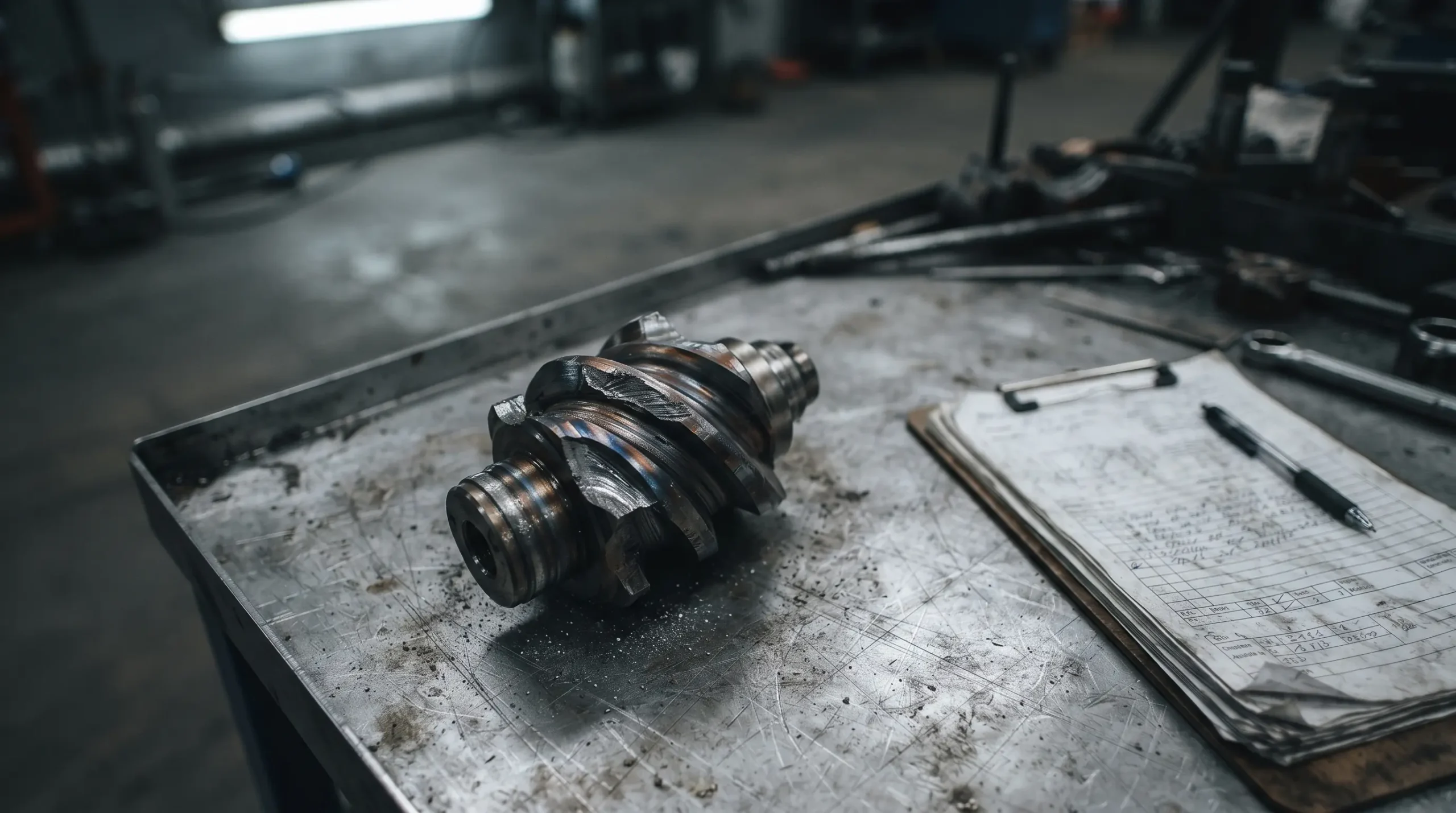 The Claim Arrives Without Its Evidence
A warranty claim on industrial equipment usually begins as a phone call. A dealer reports a failure. A customer is unhappy. Somebody at the manufacturer has to decide, quickly, whether to pay.
What that person has in front of them is a description. The machine failed. It had been running normally. The operator did nothing unusual. Every one of those statements may be true, and not one of them can be checked.
So the decision gets made on relationship rather than on evidence. Large dealers get the benefit of the doubt because the relationship matters. Small ones sometimes do not. Neither outcome has anything to do with whether the claim was valid.
Hours Are the Contract, and Almost Nobody Measures Them
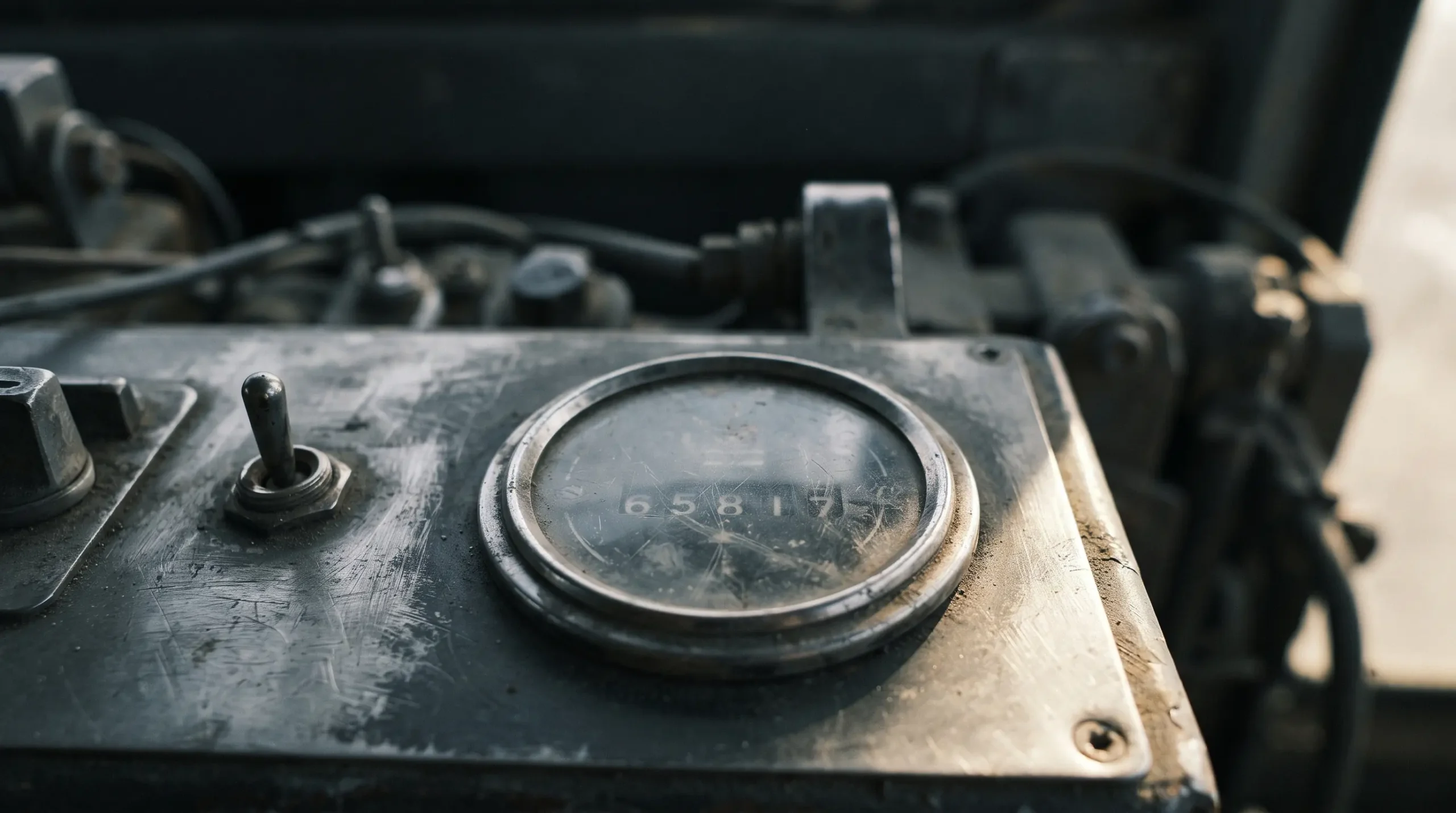 This is the part that ought to be simple. Industrial warranty is not written in months. It is written in operating hours, or in a combination of hours and elapsed time, whichever comes first.
The contract turns on a number. And in most cases, the only source for that number is the hour meter on the machine, read and reported by the person making the claim.
A manufacturer writing warranty terms in hours, while having no independent record of the hours, is underwriting a risk it has no way to measure. The terms look precise. The enforcement is guesswork.
Misuse and Defect Look Identical on a Claim Form
The second problem is harder, and it is where the money is.
A component that fails at 900 hours inside a 1,000 hour warranty may be a manufacturing defect. It may equally be a machine that spent those 900 hours at continuous full load in an application it was never specified for. Those are opposite conclusions with opposite commercial outcomes, and on the claim form they are the same event.
Without a record of how the machine was actually used, the manufacturer cannot separate the two. Most pay. Paying is faster than arguing, and arguing damages the dealer relationship.
The cost of that is not only the claims that should have been refused. It is the design signal that never arrives. If failures are never traced back to duty cycle, the engineering team keeps solving a problem that may not exist.
The Reserve Grows Because the Risk Is Unmeasured
This is why the reserve figure matters more than the claims figure. Claims are what happened. Reserves are what finance believes might happen, and at $71.89 billion rising 17 percent in a single year, the belief is getting more pessimistic.
An unmeasured risk has to be over-provisioned, because the only safe assumption is the worst one. Capital sits against a liability nobody can size. Narrowing that gap does not require fewer failures. It requires better information about the failures you already have.
What Verified Runtime Actually Changes
When the machine reports its own hours and operating conditions, four things stop being arguments.
Eligibility becomes a fact. Whether a unit is inside its hours is read from the machine, not from the claim form.
Duty cycle becomes visible. Load and runtime patterns show whether a failure followed normal use or sustained operation well beyond specification.
Dealers stop being asked to prove things. The evidence arrives with the claim. Good dealers stop being penalised for poor record keeping, and the process stops rewarding whoever argues hardest.
Engineering gets the truth. Failures can be grouped by how the machines were actually worked, which is the difference between a design fix and a specification conversation.
What You Should Be Able to Answer Before Approving a Claim
A practical test. For the unit in front of you right now, can you answer these without telephoning anyone?
- How many hours has this machine actually run?
- Is it inside its warranty by hours, not just by date?
- What load has it been carrying, and for how long?
- Has this same failure appeared on other units used the same way?
- Who has serviced it, and what was replaced?
Most manufacturers can answer the second question from a shipping date. The rest arrive as someone else’s account of events.
 Where ARMOR™ Fits
ARMOR™ captures verified runtime hours directly from the machine, along with location and health data, and reports them continuously into ARMOR Asset Central™.
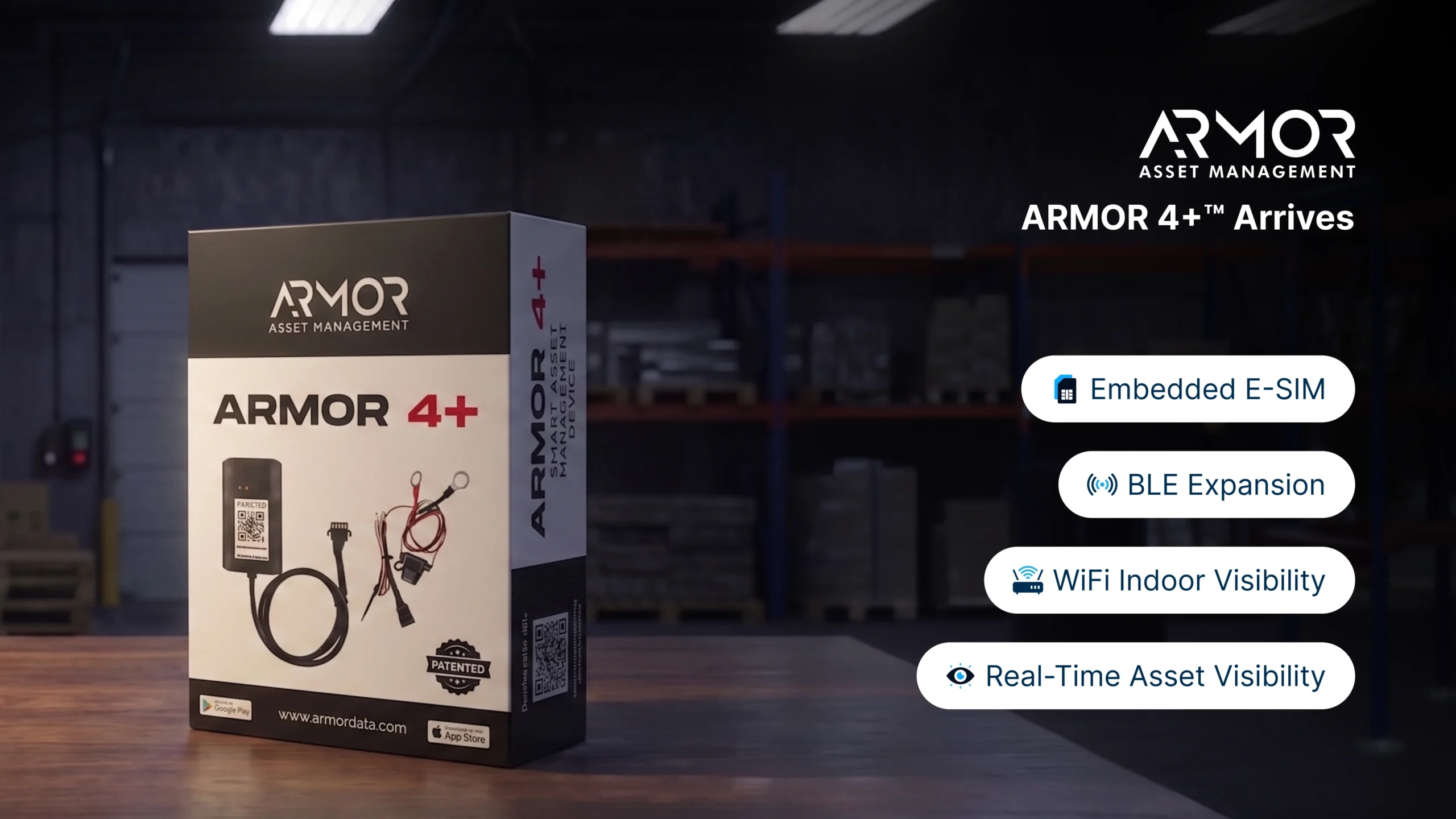
The ARMOR 4+™ unit installs non-destructively alongside your existing electrical system using standard wiring harnesses, so there is no bill-of-materials redesign. Because manufacturers, distributors, dealers and operators all read from the same verified record, a warranty conversation starts from one set of facts instead of three accounts of the same machine.
It does not replace your ERP or your warranty administration system. It supplies the physical evidence those systems have never had.
How this works at the build stage is set out on the ARMOR for Equipment Manufacturers page.
Frequently Asked Questions
Why are industrial warranties written in operating hours rather than months?
Because wear follows use, not the calendar. A machine running two shifts a day accumulates damage far faster than one used occasionally, so hours describe the real exposure. The difficulty is that the terms are only as reliable as the hour reading behind them.
Can connected equipment data actually be used to refuse a claim?
It can support either outcome, which is the point. Runtime and load records show whether a unit was inside its terms and how it was worked. Most manufacturers find the larger benefit is approving valid claims faster and with less dispute, rather than refusing more of them.
Do our dealers need to do anything differently?
No. The data comes from the machine rather than from the dealer. ARMOR Asset Central™ supports multiple organisation types reading the same record, including distribution networks and OEM partners, so dealers see the same evidence the manufacturer does.
We already have an hour meter. Why is that not enough?
An hour meter records the hours. It does not report them anywhere. The number still has to be read by a person and relayed at claim time, which is the step that makes it contestable, and it carries no record of how the machine was loaded across those hours.
See how ARMOR™ is built into equipment like yours, at the build stage. ARMOR for Equipment Manufacturers