The clearest official description of how a manufacturer is expected to find its own products is also, on reflection, slightly alarming. The U.S. Consumer Product Safety Commission’s Recall Handbook, published in March 2012, recommends registration cards: “Product registration cards for purchasers of products to fill out and return are an effective tool to identify owners of recalled products.” The handbook adds that the information from those cards “then needs to be maintained in a readily retrievable database for use in the event a recall becomes necessary.”
A postcard, returned voluntarily, kept in a database. That is the state of the art for knowing where your product went, and for a great many manufacturers it is still the only mechanism they have.
Key Takeaways
- Regulators expect manufacturers to identify and notify owners directly, and the traditional method for building that list depends on customers volunteering information.
- When owners cannot be identified, the fallback is public notice, which reaches an audience rather than a list.
- Most corrective action on industrial equipment is a voluntary field campaign rather than a formal recall, so there is no public machinery to help at all.
- The hard part is almost never the engineering fix. It is knowing which units are affected, where they are and whether they are still in service.
 The Fallback Is a Press Release
The handbook is explicit about what happens when the list does not exist. “Unless a company can identify all purchasers of a product being recalled and notify them directly, the Commission typically issues a news release jointly with the firm.”
Read that as an operational statement rather than a legal one. If you know who has the product, you contact them. If you do not, you announce it and hope the right people are paying attention.
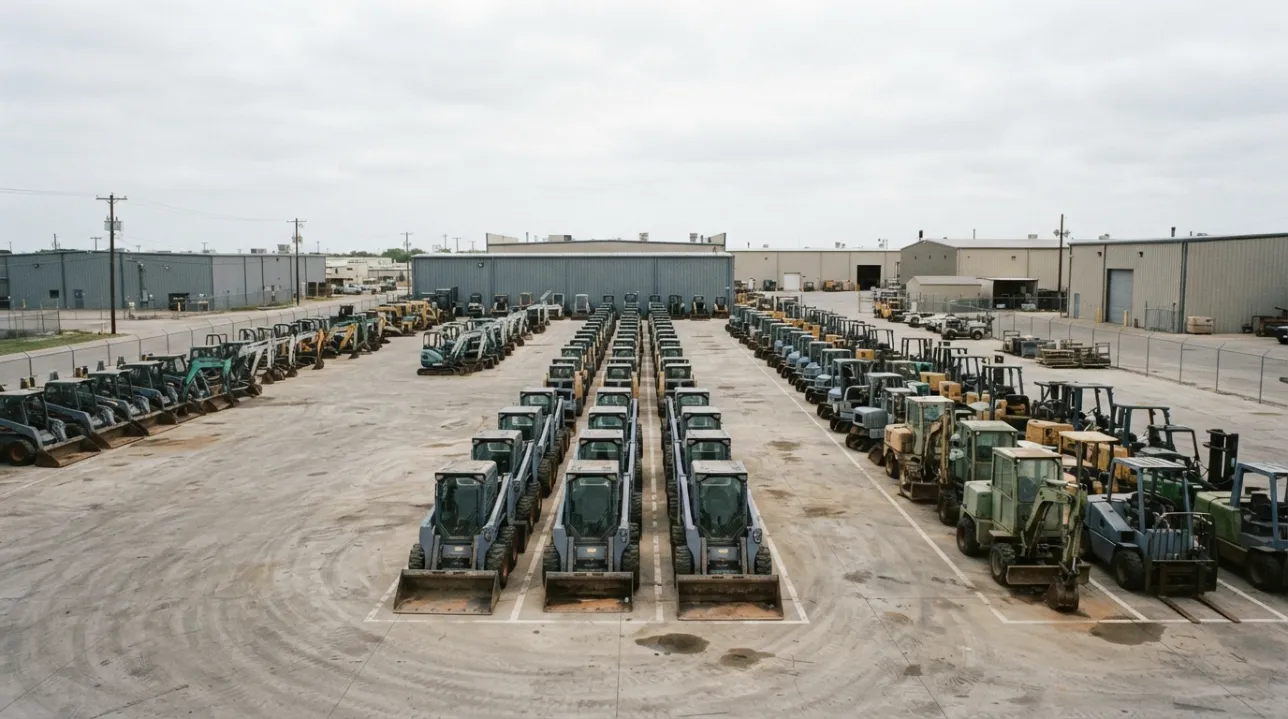
For consumer goods that is a reasonable compromise. For a machine sold in the hundreds, operated by a business, possibly resold twice and now running in a facility nobody at your company has heard of, a press release is a very thin mechanism. The people who most need to know are the least likely to be reading trade news.
Industrial Equipment Usually Has No Regulator Helping
It is worth being clear about scope. The Consumer Product Safety Commission covers consumer products, and a great deal of commercial and industrial equipment falls outside its remit.
That sounds like relief and is closer to the opposite. Most corrective action on industrial equipment happens as a voluntary field campaign: a service bulletin, a safety notice, a mandatory inspection at next service, a firmware update that has to reach every unit.
There is no national press release for those. There is no agency publishing a searchable notice. There is only whatever list the manufacturer can assemble, plus a dealer network that may or may not pass the message on. The obligation is real, the reputational exposure is real, and the infrastructure is entirely your own.
The Difficult Part Is the List, Not the Fix
By the time a campaign is launched, engineering has usually solved the problem. A part has been redesigned, a torque specification corrected, a firmware version released. The remaining work is distribution, and that is where these efforts fail.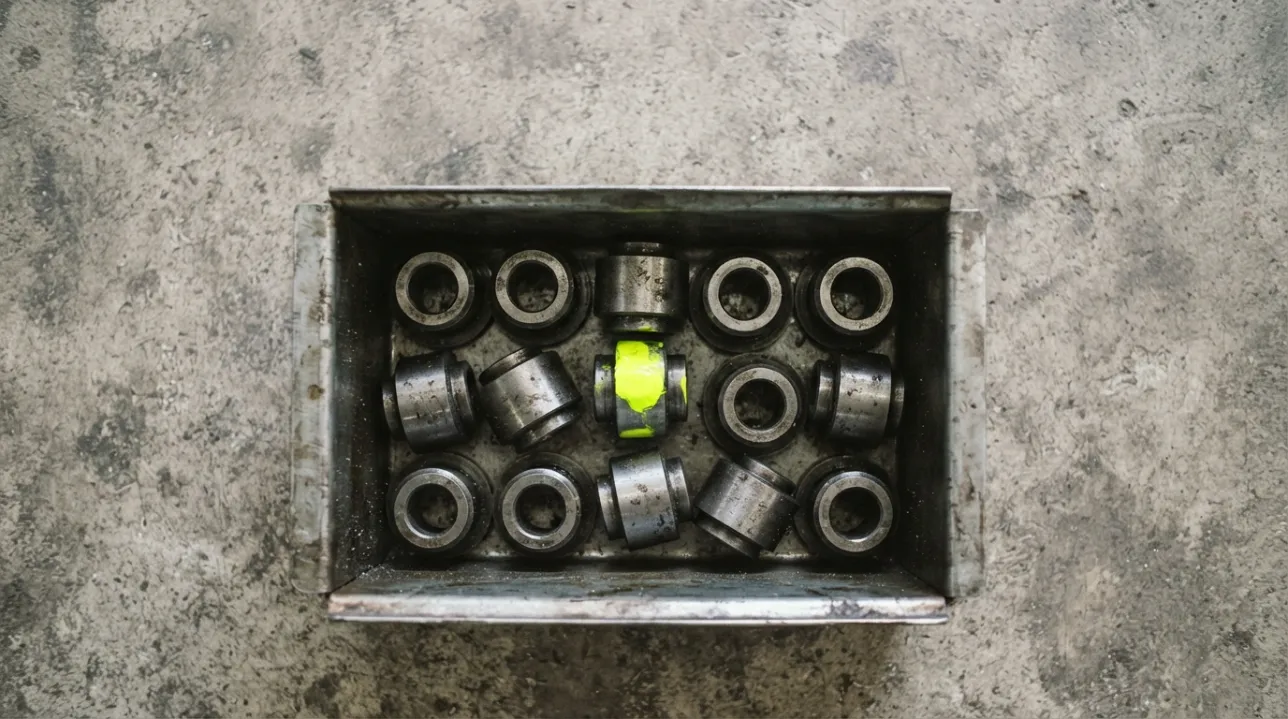
The list has to answer several awkward questions at once. Which serial ranges actually received the affected component, given that supplier changes rarely align neatly with production weeks. Which of those units are still in service, rather than scrapped, cannibalised or sitting unused in a yard. Who currently owns each one, after resale, lease transfer, and businesses that have since closed. And which of them sit in a country where the campaign has to be handled differently.
Sales records answer the first question approximately and the rest not at all. They describe a transaction that happened once, whereas a recall needs to know a present state.
The Units You Cannot Find Are Not a Random Sample
There is a tempting assumption buried in every incomplete campaign: that the units you failed to reach are much like the ones you did.
They are not. The machines hardest to locate are systematically the oldest, the ones that have changed hands most often, the ones sold through channels you no longer work with, and the ones operated by businesses with the least formal maintenance practice.
That is close to a description of the highest risk population in your installed base. The selection runs against you, which means an eighty percent completion rate does not leave twenty percent of the risk outstanding. It leaves a concentrated remainder of exactly the units you would most want to reach.
Somebody Will Ask You What Percentage You Reached
Every corrective action ends with a number: how many affected units were located, notified and remedied.
That figure gets asked for by regulators where they are involved, by insurers, by a customer’s legal team after an incident, and by your own board. It is also the figure that determines whether a campaign can ever be considered closed, or whether it stays open indefinitely because nobody can prove the remaining units were reached.
A manufacturer working from shipment records cannot produce a defensible version of that number. It can say how many units it built and how many responses it received, and the gap between those two is unexplained by definition. That gap is the part that becomes a problem later.
What Would Have to Be True to Do This Properly
Turn the requirement around and it becomes a short specification.
You would need to know which units are currently operating, as distinct from which were sold. You would need each unit’s configuration as built, so affected populations can be identified precisely instead of by conservative serial ranges that pull in thousands of unaffected machines. You would need current location at country level, because campaigns differ by market. You would need a route to reach the operator directly rather than through however many parties sit between you and them. And you would need a record showing which units were reached and which were not, produced by the machines rather than by follow-up calls.
Every one of those is a property of the installed base record, not of the recall process. Manufacturers who handle field campaigns well are not better at recalls. They simply never lost track of the equipment in the first place, which is the underlying problem described in why manufacturers lose track of equipment after it ships.
 Where ARMOR™ Fits
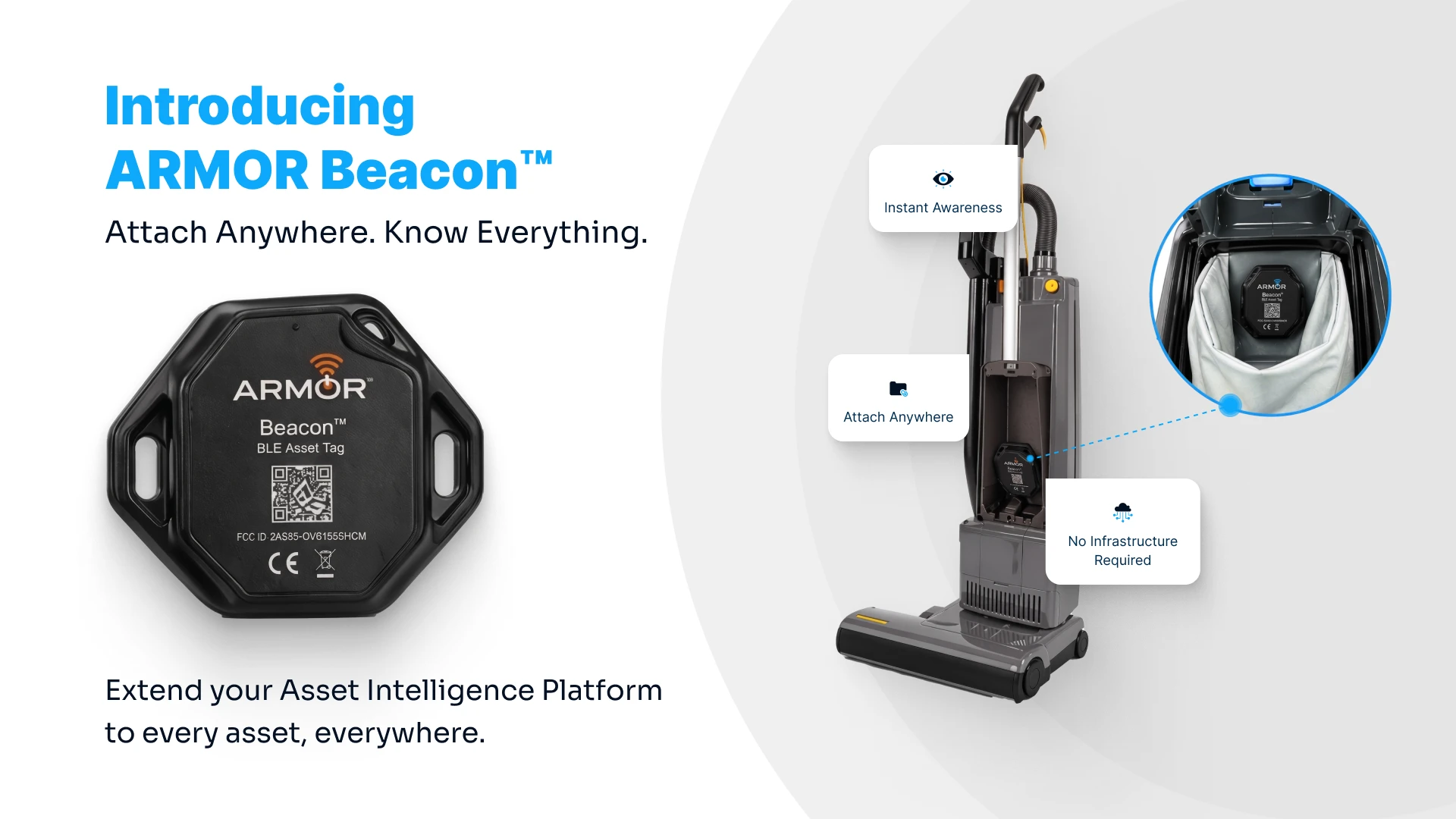
ARMOR maintains the record that a field campaign needs, and it is maintained by the equipment rather than by paperwork. ARMOR 4+™ reports from the machine into ARMOR Asset Central™, so a unit that is still running is visible as still running, and one that has gone quiet is visible as having gone quiet.
That changes what the list is made of. Instead of every unit ever built within a serial range, the affected population is the units actually reporting, with their configuration and their current runtime. Units that were scrapped stop consuming effort, and units that moved are not lost.
ARMOR is not a recall management system and does not replace the quality and compliance processes around one. It supplies the part those processes assume you already have. How the hardware and platform are built into equipment at the production stage is set out on the ARMOR for Equipment Manufacturers page, and the connectivity choices that determine whether you can reach a shipped unit at all are covered in how manufacturers choose connectivity for equipment they ship.
Frequently Asked Questions
We have never had a recall. Is this worth planning for?
The planning cost is close to zero if the installed base record already exists for other reasons, and very high if it has to be built under time pressure during an actual campaign. Most manufacturers who have been through one describe the list, not the fix, as the part that hurt.
Can we not just ask our dealers who has the machines?
You can, and you will get a partial answer quickly and a complete one never. Dealers know their own customers, they do not reliably know about resales, and a dealer who has since dropped your line has no reason to help at all.
Does a connected machine guarantee we reach every unit?
No. Machines that were never connected, units switched off long term, and equipment in markets where the connection has lapsed will all still be missing. It converts an unknown population into a known one with known gaps, which is a much better position than an estimate, but it is not completeness.
Is this not what serial number tracking already does?
Serial tracking tells you what you built and who you sold it to. It is accurate on the day of shipment and degrades from then on. The difference is between a record of a past transaction and a record of a present state.
See how ARMOR™ is built into equipment like yours, at the build stage. ARMOR for Equipment Manufacturers