Caterpillar’s VisionLink platform is backed by more than 1.5 million connected assets, according to a 2025 Caterpillar news release. For most equipment manufacturers, the equivalent number is zero. Their machines are out in the world working every day, and not one of them reports anything back.
That gap is rarely a technology problem. It is that nobody ever asked the machine to speak.
Key Takeaways
- For most manufacturers, the last verified record of a machine is the shipping document.
- Joining your ERP, CRM and service databases will not fix this, because none of them hold what the machine is doing now.
- The failures worth catching show themselves before a fault code fires, which is why diagnostic codes alone are not enough.
- Connectivity built in at the factory costs less per unit than retrofitting machines already in the field.
 The Last Verified Record Is Usually the Shipping Document
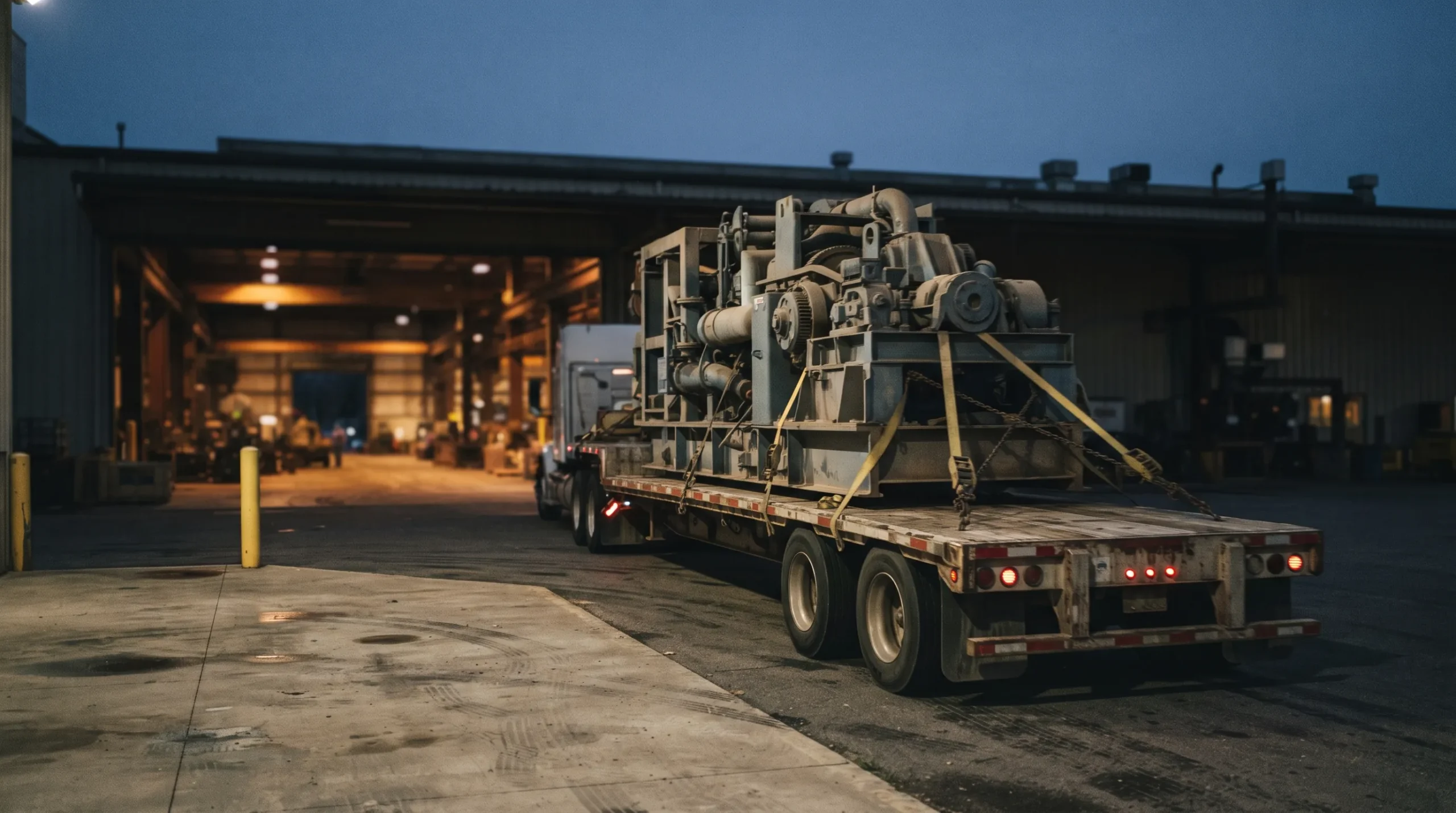
Ask a manufacturer where a particular serial number is today, and the answer usually comes off a dispatch note. It left the plant on a date, on a truck, to a distributor. After that, the record stops.
What happens next is real but unwritten. The distributor sells it. The end customer moves it between sites. A dealer services it twice and replaces a component. Somebody logs the hours in a spreadsheet nobody at the factory will ever open.
None of this is negligence. It is the ordinary result of a chain where three or four organisations each hold one fragment of the same machine’s history, and none of them holds the machine’s own account of itself.
Joining Your Databases Does Not Solve It
The usual advice is to unify systems. Connect the ERP to the CRM to the service platform, and the installed base becomes visible.
That is worth doing, and it is not sufficient. Every one of those systems records a transaction that a person typed in. A sale. A shipment. A warranty registration. A closed service ticket.
Unifying three databases that each contain a shipping date gives you a very well-organised shipping date. It does not tell you the machine has been running twelve hours a day for six weeks, or that its voltage has been drifting since March.
Data unification answers what did we sell, and to whom. It cannot answer what is that machine doing right now, because nobody typed that in. Only the machine knows.
The Signals That Matter Arrive Before the Fault Code
John Deere publishes a worked example that makes this concrete. A customer was cutting grade with a dozer and had no indication of any problem. Their dealer received an alert for low engine-oil pressure that was, in Deere’s own words, “not at a level low enough to trigger a diagnostic trouble code.”
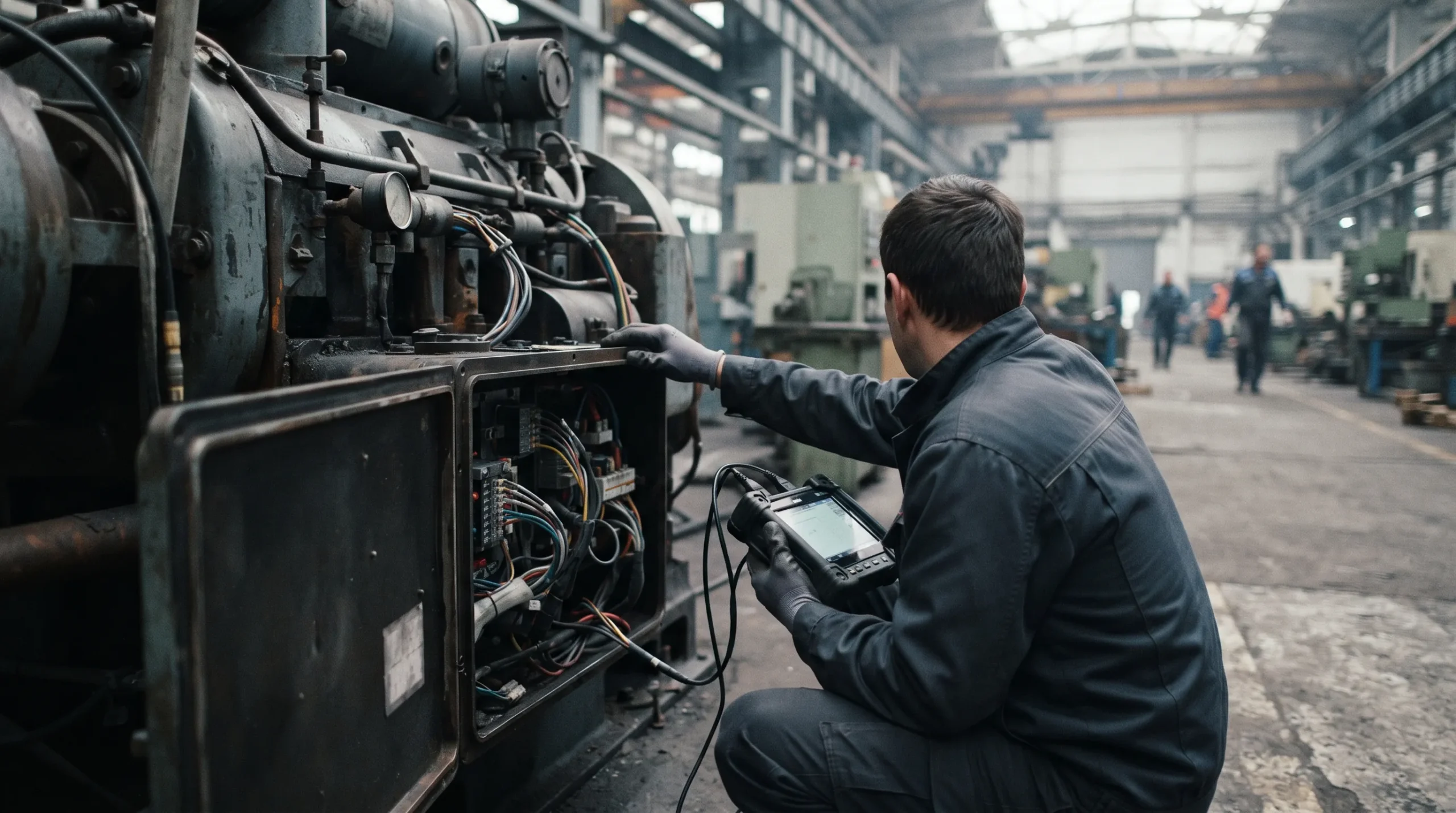 The machine was not reporting a fault. It was drifting toward one. A technician replaced a pressure-regulating valve, and the failure simply never happened.
This is the case against treating diagnostic trouble codes as sufficient. A fault code fires once something has already gone wrong. The commercially useful window opens earlier, and it is only visible if the machine reports continuously rather than at the moment it breaks.
What Changes When the Machine Reports Back
For a manufacturer, continuous reporting settles four things that are otherwise argued about rather than known.
Warranty. Industrial warranty terms are written in operating hours. When the machine itself records those hours, a claim is settled by evidence instead of by a conversation between a dealer and a warranty administrator.
Service dispatch. A technician who knows the fault, the runtime and the configuration before leaving arrives with the right part. One who does not is a second visit waiting to happen.
Design feedback. Usage patterns across a whole population of machines show which components are being worked hardest in the field, as opposed to on the test rig.
Dealer alignment. When the manufacturer, the distributor and the operator all read the same record, there is no version of events left to reconcile.
Note what is not on that list: charging the end customer for connectivity. John Deere provides JDLink connectivity at no cost on eligible modems, which sets a difficult price expectation across the market. The return on connecting a machine is found far more reliably inside a manufacturer’s own costs than in a new subscription line.
What Your Installed Base Should Be Able to Tell You
A reasonable test. For any serial number you have ever shipped, can you answer these today?
- Where is it, and who is operating it now?
- How many hours has it actually run?
- Is anything drifting that has not yet failed?
- Has it been serviced, by whom, and what was replaced?
- Is it still in warranty by hours, rather than by calendar date?
Most manufacturers can answer the last one. Very few can answer the first four.
 Where ARMOR™ Fits
ARMOR™ is built for the manufacturer who wants those answers without building a software platform to get them.
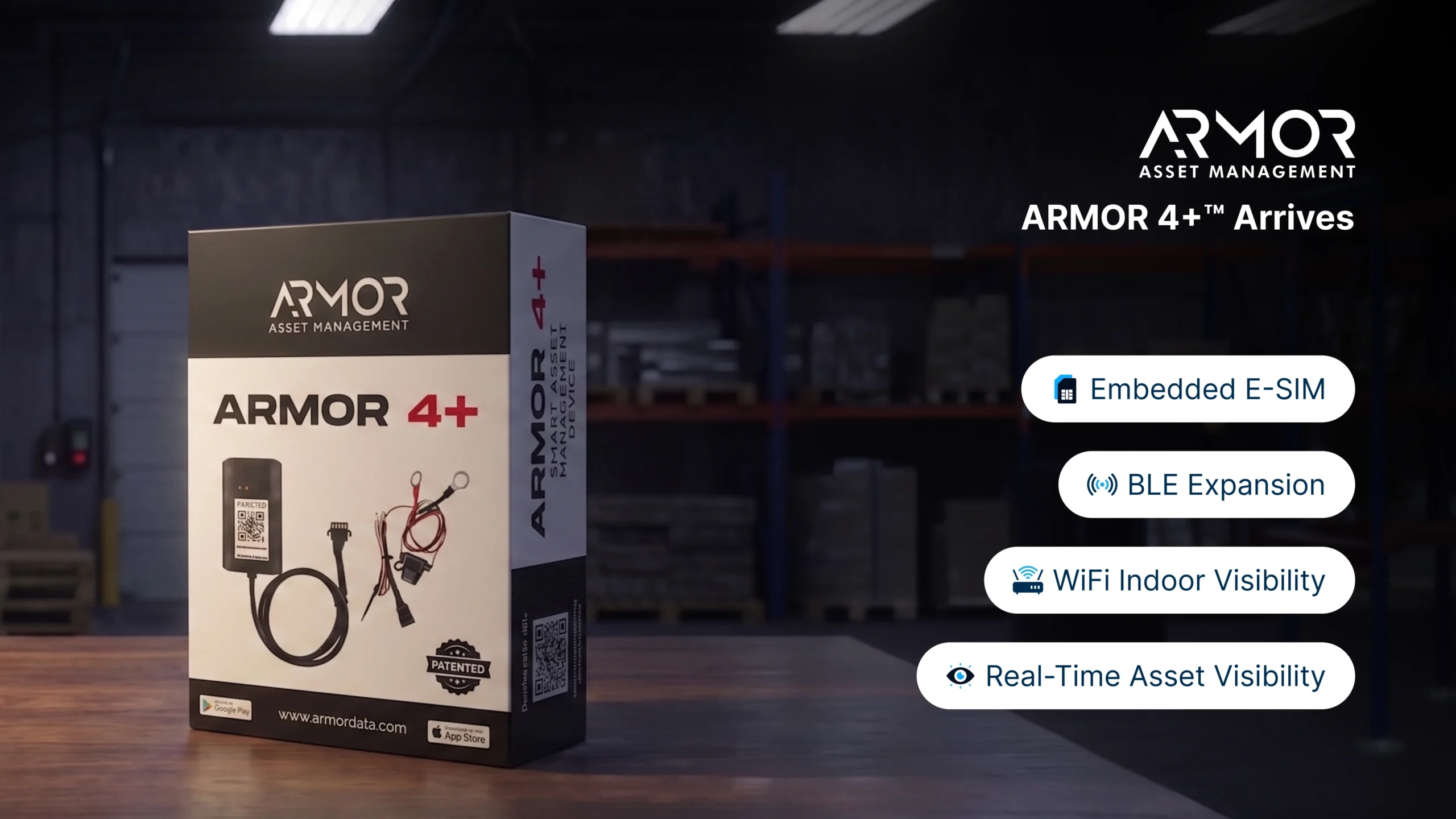
The ARMOR 4+™ unit installs non-destructively alongside your existing electrical system using standard wiring harnesses, so there is no bill-of-materials redesign and no re-engineering. It captures runtime hours, location and health data, and reports continuously into ARMOR Asset Central™, which holds the verified record. Manufacturers, distributors, dealers and the operators running the equipment all read from that same record.
It does not replace your ERP. It supplies the physical asset data your existing systems have never had.
How this works at the build stage is set out on the ARMOR for Equipment Manufacturers page.
Frequently Asked Questions
What does “installed base” mean for an equipment manufacturer?
Every unit you have ever sold that is still in service. It is the population of machines your warranty obligations, service revenue and reputation all depend on, and for most manufacturers it is the least documented part of the business.
Do we have to redesign our product to add connectivity?
No. ARMOR 4+™ installs alongside the existing electrical system using standard wiring harnesses. There is no BOM redesign and no re-engineering of the machine.
Can our dealers and distributors see this data too?
Yes. ARMOR Asset Central™ supports multiple organisation types syncing into the same verified record, including distribution networks and OEM partners.
Is it cheaper to fit connectivity at the factory or to retrofit later?
Factory-fitted is generally cheaper per unit at volume and better integrated with the machine’s own systems, because it is engineered in once rather than added to thousands of machines individually after they are already in the field.
See how ARMOR™ is built into equipment like yours, at the build stage. ARMOR for Equipment Manufacturers