Connected products “may stay in the field for 10 years or more”, as Telenor IoT puts it. The same page notes that North America’s 3G shutdowns are largely complete.
Put those two facts together and the problem becomes clear. A machine leaving your line this year may still be working in 2036, and an entire generation of cellular has already been switched off inside the last few years. The radio you specify at design freeze is a decade-long commitment to infrastructure you do not own and cannot influence.
That makes connectivity a harder decision than it first appears, and a surprisingly permanent one.
Key Takeaways
- Equipment routinely outlives the network generation it was designed around, and 2G and 3G shutdowns have already stranded devices.
- LTE-M and NB-IoT are not interchangeable: the trade is responsiveness and mobility against power draw and payload size.
- Bluetooth is a local link, not a wide-area connection, and it always needs something else to reach the internet.
- Wi-Fi puts your data path inside your customer’s IT department, which is a support problem rather than an engineering one.
 The Machine Will Outlive the Network
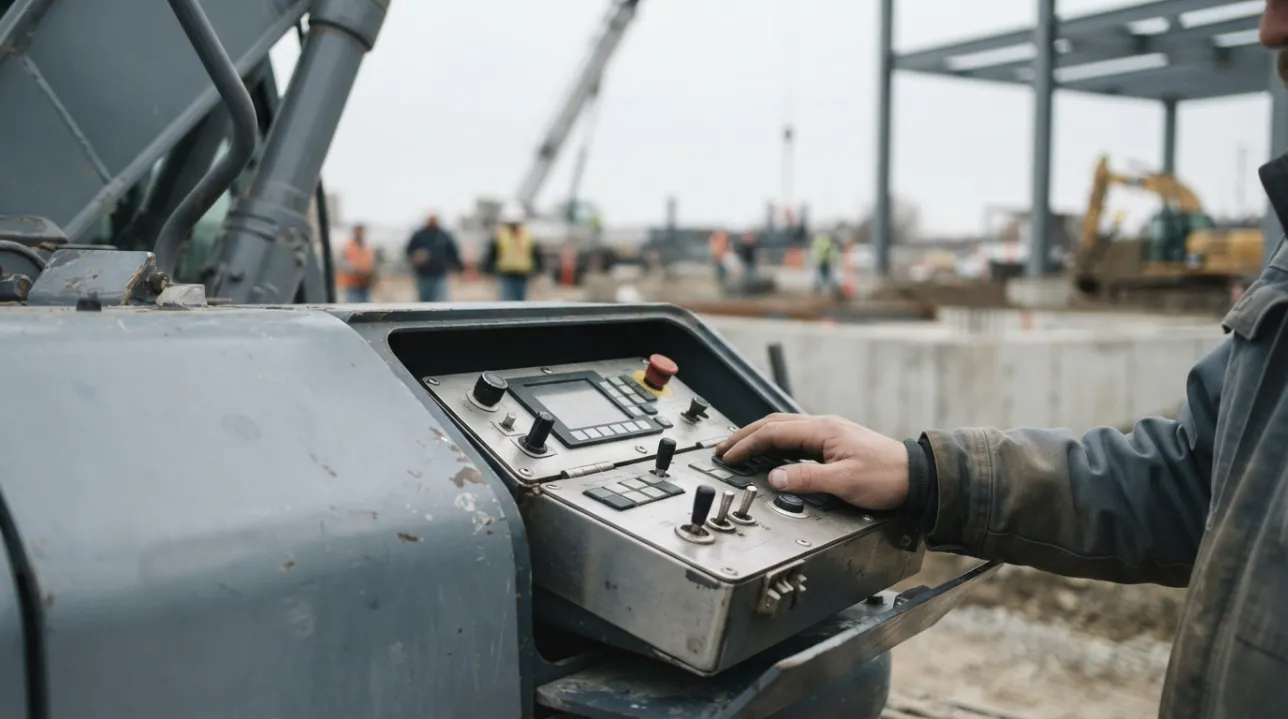
Most connectivity comparisons are written for a product being launched next quarter. Industrial equipment is a different case. The unit is designed once, built for years, and then runs in the field for a decade or more after that.
Over that span, carriers retire network generations on their own commercial timetable. Telenor’s own guidance is careful to note that sunset timelines “can change as operators update their plans, regulators intervene, or legacy service requirements evolve.” In other words, nobody can give you a firm date to design against.
The practical consequence for a manufacturer is that the risk is not choosing the wrong technology today. It is choosing anything that cannot be changed later without touching every machine you have already shipped.
LTE-M and NB-IoT Are Not Interchangeable
These two get treated as a single category, and they behave very differently.
LTE-M carries more data, responds faster and handles movement between cell towers. Practical throughput runs to hundreds of kilobits per second, with latency from sub-second to a few seconds. That suits a machine that moves between sites, needs firmware updates, or has to answer a request rather than only report on a schedule.
NB-IoT is built for small, infrequent messages from something that stays put. Throughput is in the tens of kilobits per second and latency runs from seconds to tens of seconds. In exchange it penetrates buildings well and draws very little power.
The power difference is easy to overstate in both directions. One published engineering model puts a device on a 2,000 mAh cell at roughly 5.3 years on NB-IoT against roughly 1.9 years on LTE-M at a higher duty cycle. That is a modelled example rather than a universal figure, and the ratio moves considerably with how often you transmit. The honest summary is that NB-IoT usually wins on power for sparse reporting, and the gap narrows or reverses once you send larger or more frequent payloads, because LTE-M finishes the job and switches the radio off sooner.
 For most powered industrial equipment the calculation is different again, because the machine has its own electrical system and battery life is not the binding constraint it is for a standalone sensor.
Bluetooth Is Not a Wide-Area Option
This one causes genuine confusion, so it is worth being blunt. Bluetooth Low Energy does not connect anything to the internet. It is a short-range link between two devices.
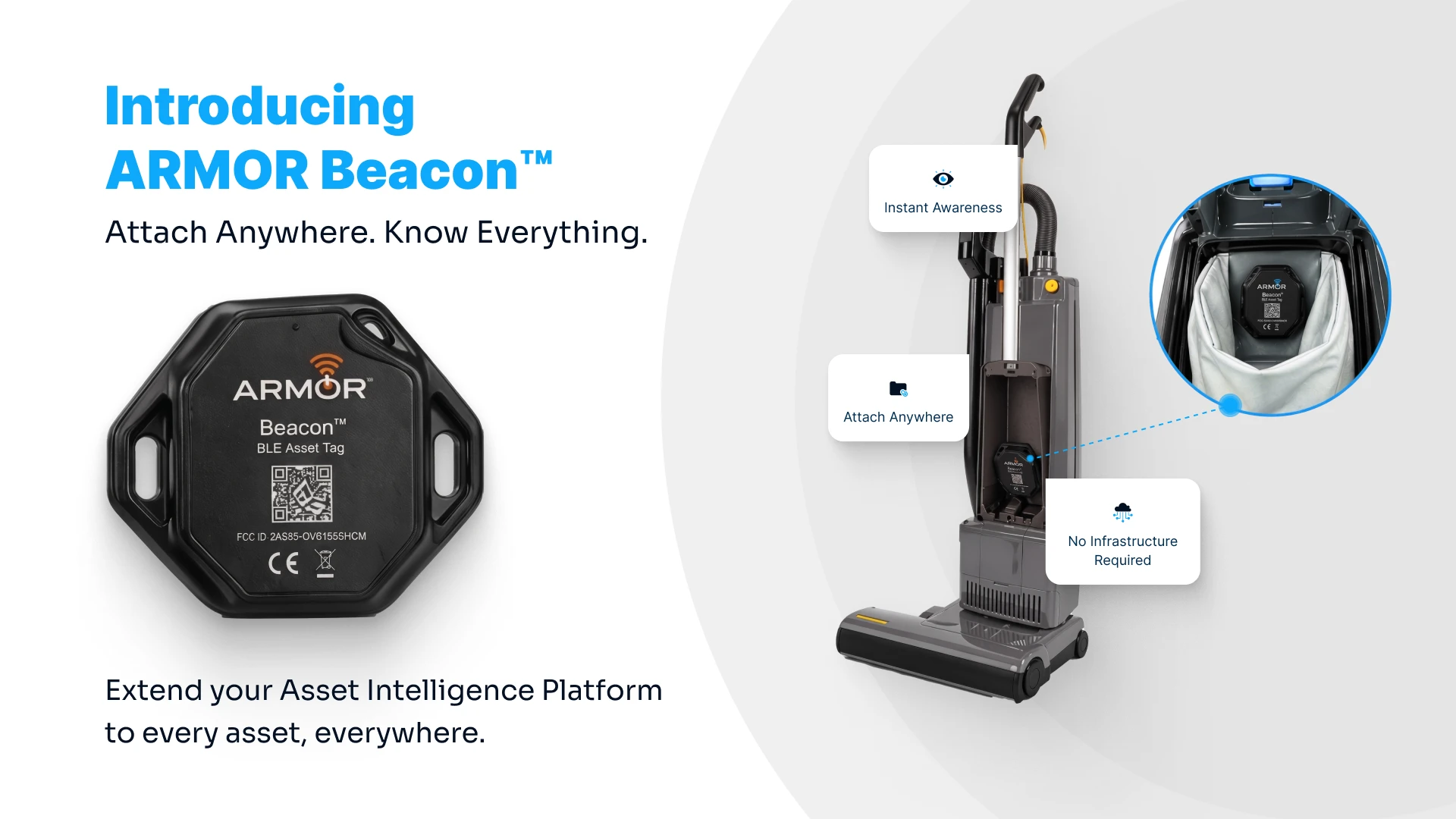
That makes it excellent for what it is actually good at: identifying attachments, tools and non-powered assets near a machine, and locating things inside a building where satellite positioning does not work. But a BLE tag reports through something else, whether that is a gateway, a phone, or a powered unit on the machine acting as the bridge.
Treated as a complement to a wide-area connection, it extends coverage to the items that could never justify their own cellular radio. Treated as a substitute, it leaves you with data that never leaves the yard.
Wi-Fi Belongs to Your Customer, Not to You
Wi-Fi is tempting because it appears free. The equipment joins the site network and the data flows with no subscription attached.
The cost arrives later and lands on your support desk. Your data path now depends on a network you do not administer, credentials that change without notice, and an IT department with entirely reasonable objections to an unfamiliar device appearing on their network. Multiply that across every customer site and Wi-Fi becomes the connectivity option with the highest ongoing support burden, despite having the lowest line-item cost.
It works well as a secondary path indoors. It is a difficult primary choice for equipment you ship to people you do not control.
The Decision You Cannot Make Once
Given that no single technology is correct for a decade, the useful question changes. It is not which radio to pick. It is how to avoid being locked to the one you picked.
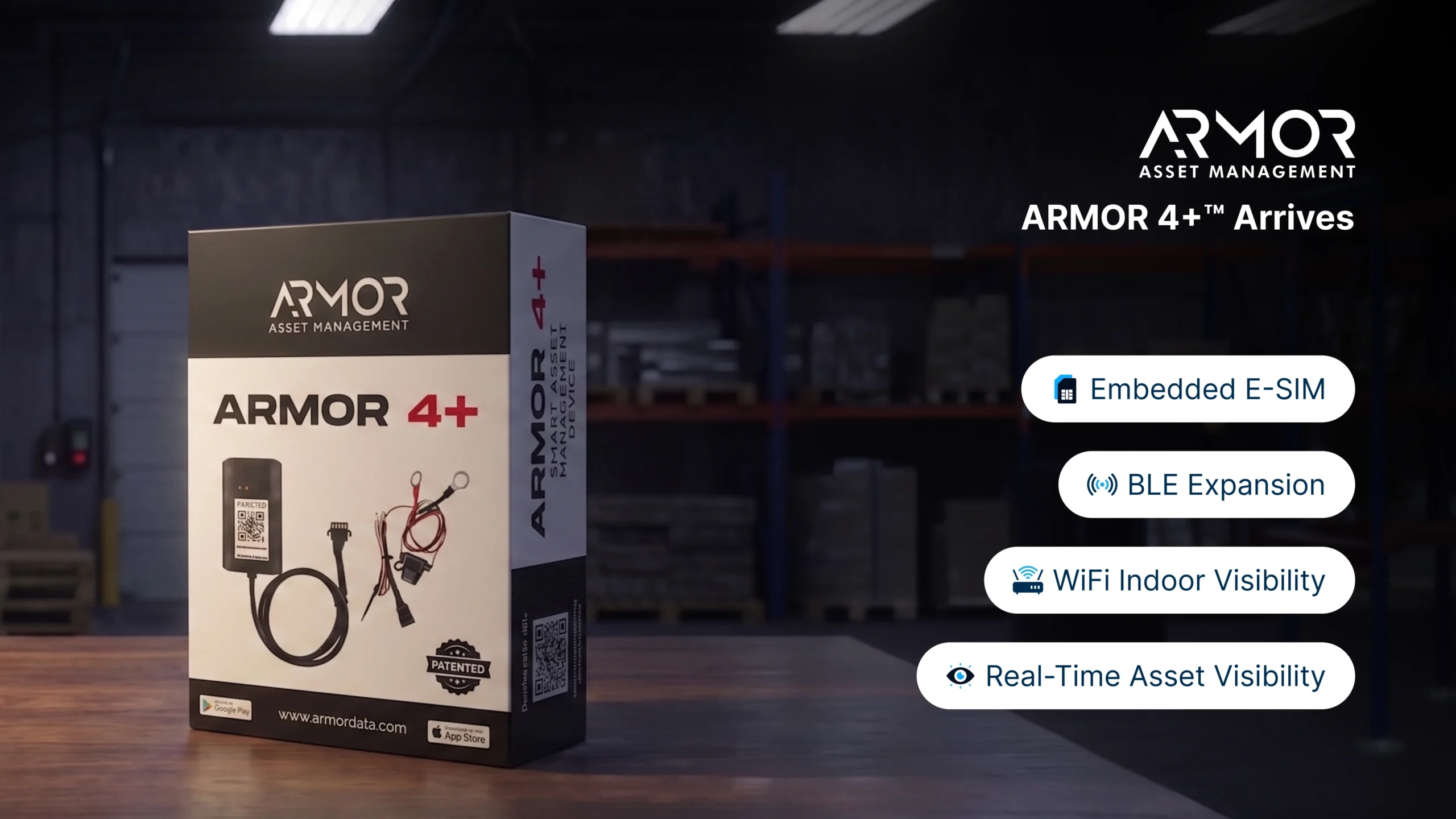
In practice that means three things. A module supporting more than one access technology, so the same hardware can operate where one is unavailable. An eSIM rather than a soldered carrier commitment, so the network can be changed remotely instead of by visiting the machine. And multi-carrier support, so a shutdown or a coverage gap in one operator’s footprint is a configuration change rather than a recall.
None of that is exotic. It is simply the difference between a connectivity decision and a connectivity dependency.
What to Settle Before the Design Freeze
A short list worth answering while changes are still cheap.
- How long will units built on this design remain in service?
- Will the machine move between sites, or stay where it is installed?
- How often does it need to report, and does anything need to reach it?
- Which markets will it ship to, and is the chosen technology commercially available in all of them?
- If a carrier retires a network in seven years, what has to happen to the installed base?
The last question is the one most often left until it is expensive to answer.
 Where ARMOR™ Fits
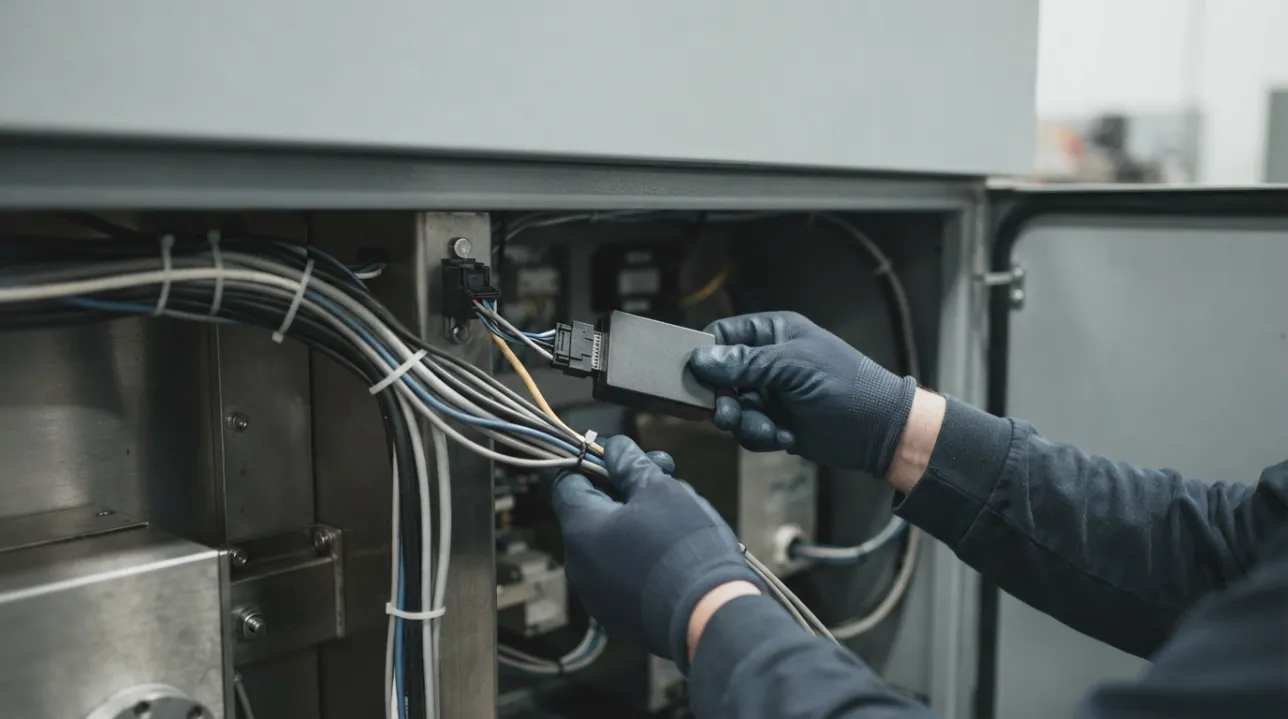
ARMOR 4+™ uses LTE Cat-M1 and NB-IoT with an eSIM and global multi-carrier support, including AT&T and T-Mobile, so the network can be changed without touching the machine. ARMOR Beacon™ adds BLE for attachments and non-powered assets, and ARMOR Track™ extends the same approach to indoor location.
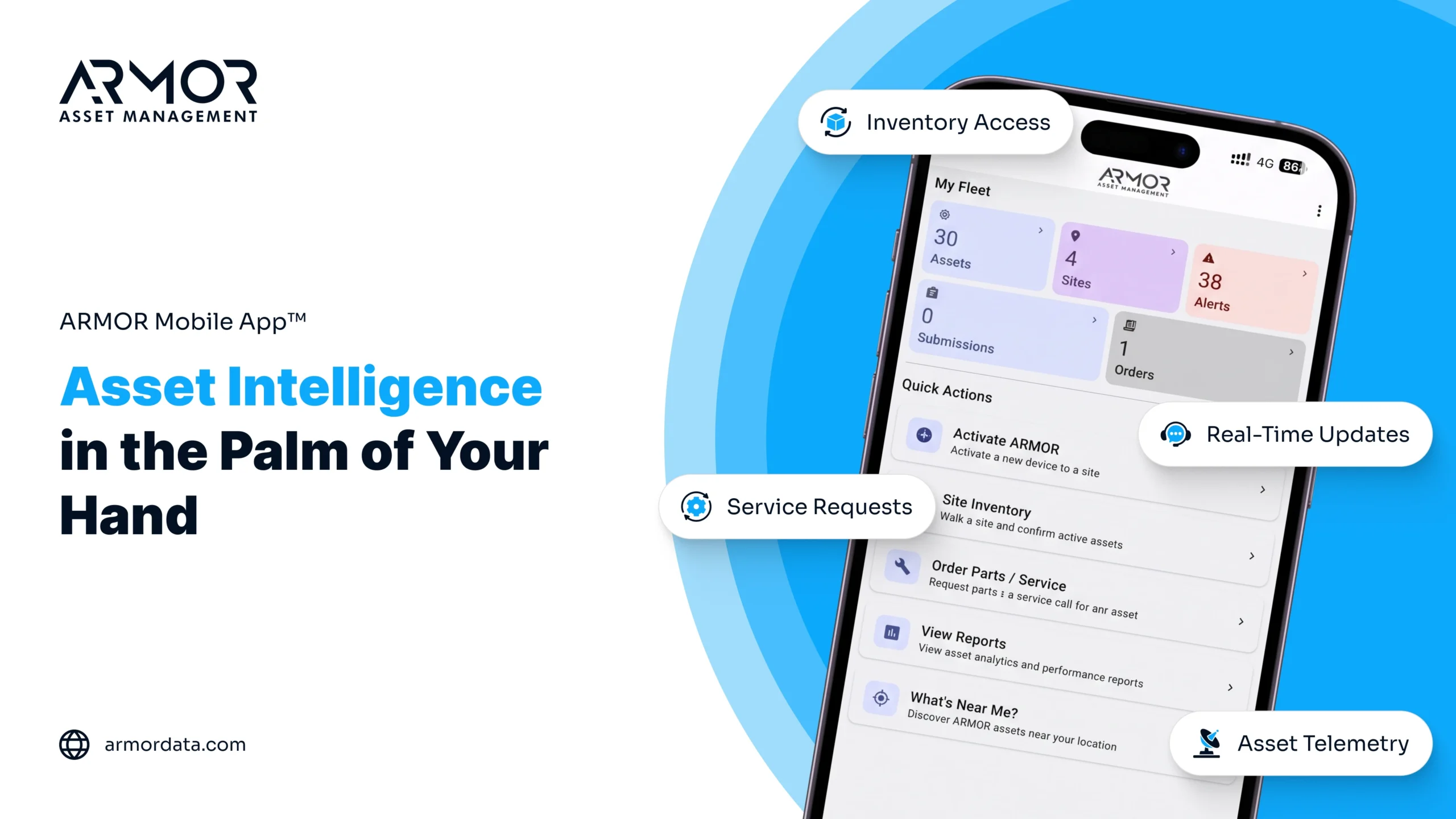
The unit installs non-destructively alongside your existing electrical system using standard wiring harnesses, so there is no bill-of-materials redesign, and it reports runtime hours, location and health data into ARMOR Asset Central™.
The wider point is that connectivity is one decision among many. Certification, carrier agreements, firmware update paths, data schema and a cloud platform all sit behind it, and each carries its own decade-long commitment.
How this works at the build stage is set out on the ARMOR for Equipment Manufacturers page.
Frequently Asked Questions
Are LTE-M and NB-IoT going to be switched off like 3G was?
Both run on 4G infrastructure and no operator has signalled an intention to retire them in the near term. That is reassuring rather than a guarantee, which is the argument for an eSIM and multi-carrier support regardless of the technology you choose.
Can we use Bluetooth instead of cellular to save cost?
Not as a replacement. BLE has no route to the internet on its own, so it always reports through a gateway, a phone or a cellular unit on the machine. It is a good way to cover attachments and non-powered assets alongside a wide-area connection, not instead of one.
Does battery life matter if the machine has its own power?
Much less than the comparisons suggest. Power draw dominates the decision for standalone sensors running on a cell. For powered equipment the more important factors are usually coverage in your markets, whether the machine moves, and how quickly it needs to respond.
What happens to machines already in the field on an older technology?
That depends entirely on whether the module can be reconfigured remotely. Where the carrier is fixed in hardware, the realistic options are a field visit to every unit or losing the connection. It is the single strongest argument for deciding this carefully at design stage.
See how ARMOR™ is built into equipment like yours, at the build stage. ARMOR for Equipment Manufacturers