Caterpillar runs one of the largest connected equipment networks in the world, with its own portal and its own apps. It still publishes an interface for customers who want the data somewhere else. Its own product page describes it plainly: “Import telematics data into your own applications for improved fleet management. Our API meets AEMP 2.0 and ISO 15143-3 standards, ideal for mixed fleets.”
That sentence says a great deal about where the power sits in connected equipment. The largest customers do not want to log into a separate portal for every brand they own. They want every machine’s data in their own system, in the same shape, and they increasingly expect manufacturers to deliver it that way.
Key Takeaways
- ISO 15143-3, also known as AEMP 2.0, is a common format for delivering machine telematics data to a customer’s own systems.
- It exists because fleet owners run equipment from many manufacturers and will not manage a different portal for each one.
- Even manufacturers with their own platforms publish data to the standard, which shows how much weight the fleet customer carries.
- For a manufacturer, the question from a fleet buyer is rarely whether you have an app. It is whether your data will arrive in their system in a form they can use.
 The Mixed Fleet Is the Normal Fleet
Manufacturers tend to picture their equipment in a customer’s operation as the whole picture. It almost never is.
A rental company, a contractor or a multi-site facility operator runs machines from many brands, bought at different times, for different jobs. Each manufacturer that connects its equipment typically offers its own portal. From the customer’s side, that means one login per brand, one data format per brand and no single view of the fleet at all.
The operational questions that matter to that customer cut across brands. Which machines are idle this week? Which are due for service? What is utilisation across the whole fleet? Those are unanswerable if the data lives in a dozen separate places. The mixed-fleet version of that calculation is covered in how to calculate and measure fleet utilisation rate.
What the Standard Actually Does
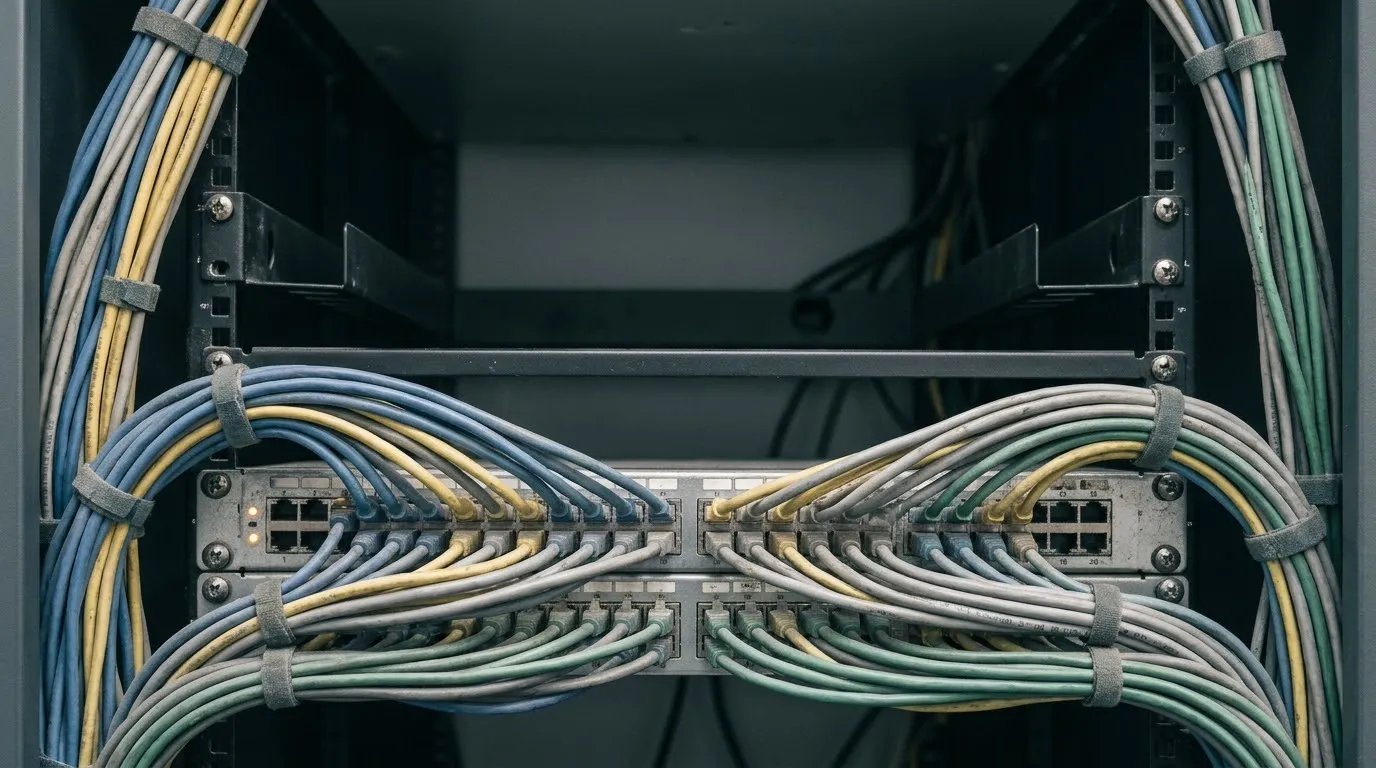 ISO 15143-3 defines a common structure for machine telematics data and a way to deliver it to another system over the internet. Instead of every manufacturer inventing its own format, the core information arrives in an agreed shape.
Caterpillar’s description of its implementation captures the purpose well: the standard “facilitates extraction and transfer of raw data and processed information into your database. Data is stored on your server indefinitely and used for any purposes you require, such as trending, business intelligence and equipment histories.”
The same page lists the kind of information involved: “machine health, fuel usage, operating and idle hours, location, etc.” None of that is exotic. The value is not in any one field. It is in every brand’s version of that field arriving in the same form.
The Customer Owns the Destination
The most important phrase in Caterpillar’s description is “into your database.” The standard moves data out of the manufacturer’s platform and into the customer’s.
That is a significant concession from a manufacturer that could keep customers inside its own ecosystem. It reflects a commercial reality: large fleet buyers have enough purchasing power to require it, and a manufacturer that makes their data hard to extract makes its machines harder to buy.
For a smaller manufacturer, this sets the bar. A fleet customer comparing your machine with a competitor’s will ask how your data gets into their fleet management system. If the honest answer is that it does not, and they will need to log into your portal separately, you have handed them a reason to choose someone else before the machine’s performance is even discussed.
Why This Reaches Beyond Construction
The standard is associated with heavy and construction equipment, where mixed fleets and rental are the norm. The pressure behind it applies more widely.
Any customer running equipment from several manufacturers faces the same problem: facilities operators with floor care machines from different brands, distribution businesses with mixed materials handling fleets, rental companies of every kind. Whether ISO 15143-3 itself applies to a given product category is a question for the standard’s scope. The expectation it represents, that telematics data should arrive in the customer’s own systems in a consistent form, is spreading regardless.
A manufacturer designing connectivity today should assume that its largest customers will want the data out, not just a view of it.
What a Fleet Buyer Will Ask You
The questions are predictable, and it helps to have answers before the tender rather than during it.
Can the data flow into our systems automatically, or only be viewed in yours? Which fields are available: operating hours, idle time, location, fault codes, electrical or fuel data? How often is it updated? What format does it arrive in, and does it follow a published standard? Who pays for the connection, and what happens to access if we sell the machine? And is the data for our machines ours to keep once it arrives?
A manufacturer who can answer each of those plainly is having a very different conversation from one who can only demonstrate an app.
What to Decide at the Design Stage
Data portability is far easier to design in than to add later. The decisions are about which signals the machine reports, how they are structured, and whether the platform behind the machine can deliver them outward as well as display them.
It is worth deciding early that customer data export is a feature rather than an exception. Manufacturers who treat every export request as a custom project end up either refusing them or building a different integration for every large account, and both outcomes cost more than a consistent approach from the start.
 Where ARMOR™ Fits
ARMOR™ is designed to sit alongside the systems customers already run, not to replace them. Its positioning is explicit on this point: no ERP replacement and no workflow disruption.
ARMOR 4+™ reports runtime hours, location and electrical health from the machine into ARMOR Asset Central™, where the manufacturer, dealer and end customer each see the record they are entitled to. That shared record is the starting point a mixed-fleet customer needs: consistent operating data for your machines, available beyond your own organisation.
If a specific standard or integration format is a requirement in your market, it is worth raising directly with ARMOR™ at the start of a project so that it is designed in rather than added later. How ARMOR™ is built into equipment at the production stage is set out on the ARMOR™ for Equipment Manufacturers page.
Frequently Asked Questions
What does AEMP 2.0 mean in relation to ISO 15143-3?
The two names are used together for the same telematics data standard. Caterpillar, for example, describes its interface as meeting both “AEMP 2.0 and ISO 15143-3 standards”.
Does ISO 15143-3 apply to our type of equipment?
That depends on the standard’s formal scope and your product category, and it is worth checking with whoever manages standards compliance for you. Even where it does not formally apply, fleet customers increasingly expect the same thing it provides: data delivered into their systems in a consistent form.
If we give customers our data, do we lose the relationship?
The opposite is more often true. A customer who can see your machines in their own fleet system alongside everyone else’s is judging your equipment on its performance. A customer who has to log into a separate portal is judging it partly on inconvenience.
Do we still need our own platform if customers want the data elsewhere?
Usually yes. The manufacturer still needs its own view for engineering, warranty and service. The standard is about delivering data outward as well, not instead.
See how ARMOR™ is built into equipment like yours, at the build stage. ARMOR™ for Equipment Manufacturers