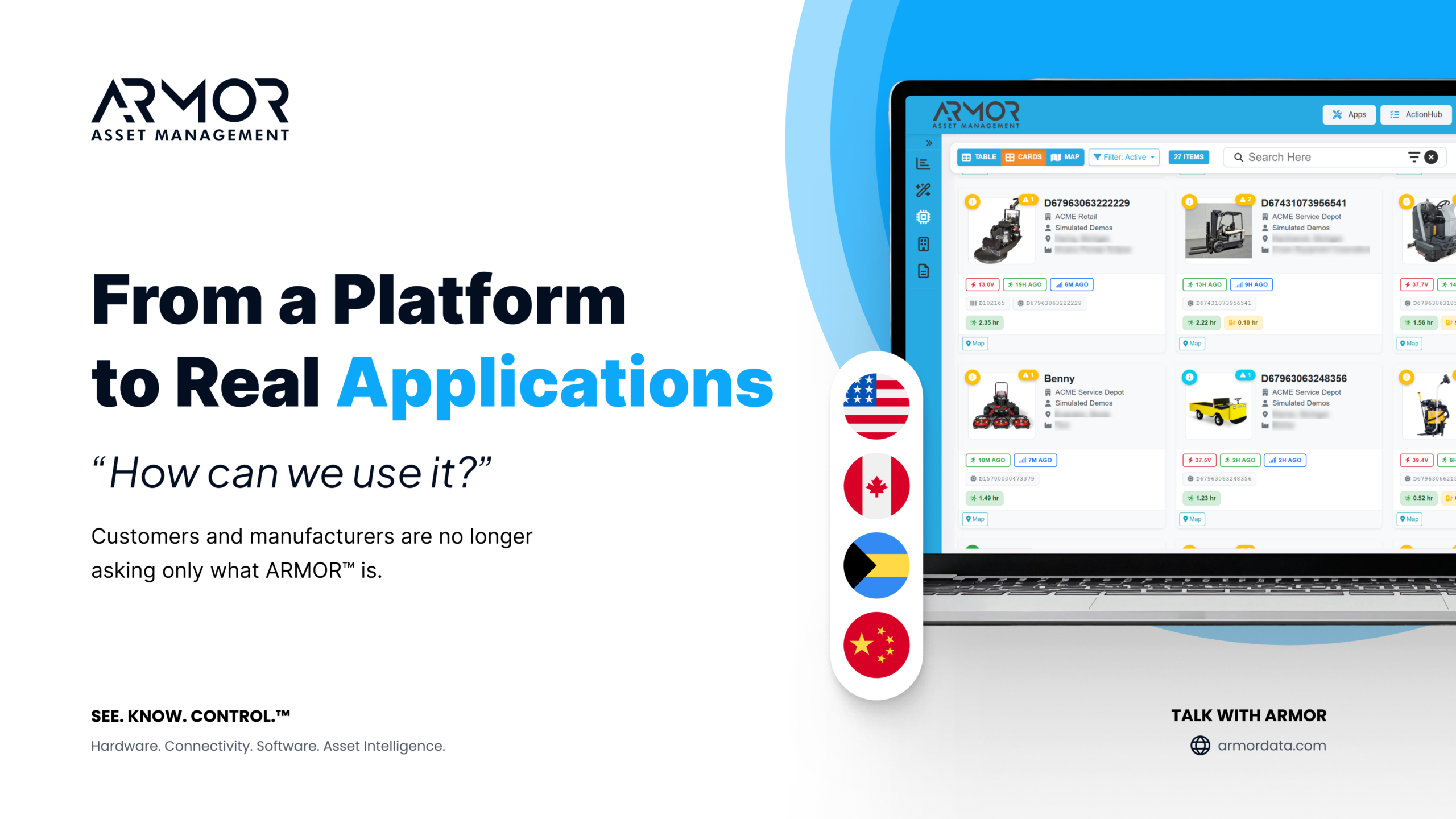
Runtime, battery, and location data improve asset management by replacing three separate guesses, how hard a machine is working, how much life its power source has left, and where it physically is, with three verified signals pulled directly from the asset itself. Each one solves a different blind spot, and together they turn a piece of equipment into something that reports its own status instead of waiting to be found, inspected, or discovered broken.
Fleets that skip this data don’t just lose visibility. They lose money in three distinct ways: idle machines that still cost full carrying value, batteries that fail without warning, and equipment that vanishes with almost no chance of coming back.
Key Takeaways
- An underutilized machine can cost $15,000 to $40,000 a year in depreciation, insurance, and storage while producing zero revenue.
- Manual utilization logs undercount real usage by 15% to 30% compared to automated runtime tracking.
- Continuous battery monitoring shifts maintenance from reactive replacement to predictive scheduling by tracking voltage, temperature, and charge cycles in real time.
- Construction equipment theft costs the U.S. industry $300 million to $1 billion a year, with recovery rates under 25% once a machine is untracked.
- Fleets with active GPS tracking recover stolen equipment at 3 to 4 times the rate of untracked fleets, often within hours.
Why Does Runtime Data Matter More Than a Maintenance Calendar?
Runtime data matters more than a calendar because two machines that look identical on paper can wear at completely different rates depending on how hard they actually run. A schedule-based maintenance plan treats every unit the same regardless of actual use, while runtime data ties service intervals to what the asset has really done.
The gap between assumed and actual usage is bigger than most fleets expect. Manual utilization logs, the kind based on someone remembering to write down hours, undercount real usage by 15% to 30% compared to automated telematics tracking (FleetRabbit, 2026). Industry estimates suggest up to 40% of construction equipment sits idle at any given time, largely due to poor scheduling visibility rather than a genuine lack of demand for the machine.
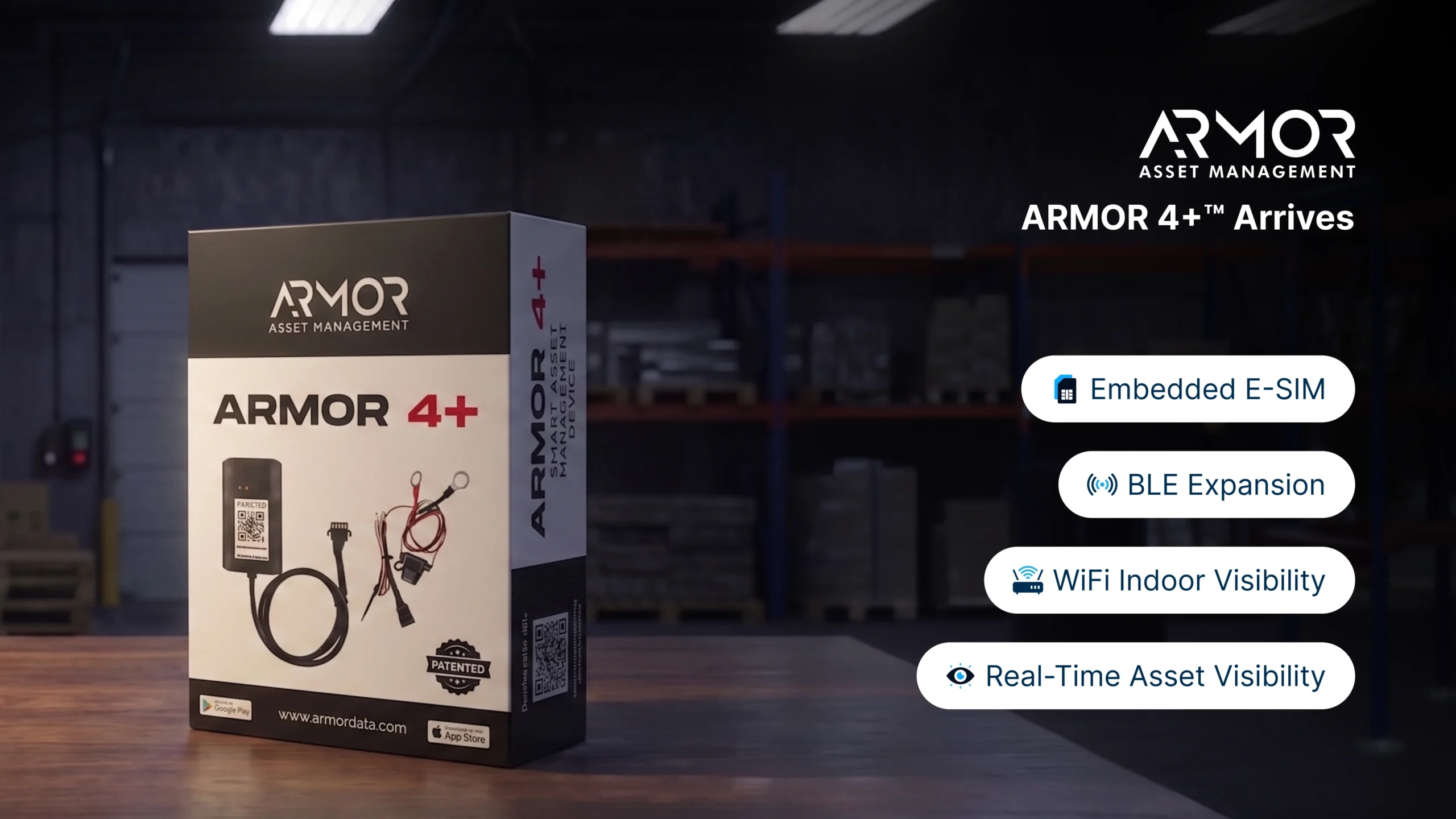
That idle time isn’t free. An underutilized machine can cost $15,000 to $40,000 a year in depreciation, insurance, and storage, even while it generates zero revenue (FleetRabbit, 2026). Real runtime data is what surfaces that machine before it quietly drains a budget for another full year. ARMOR 4+™ captures these runtime hours automatically as part of its standard field data, using the same patented monitoring hardware that reports directly into the platform rather than relying on someone to log it by hand.
How Does Battery Data Prevent Equipment Failure Before It Happens?
Battery data prevents failure by exposing degradation while it’s still invisible to a person looking at the machine. Unlike a worn belt or a leaking hose, a failing battery rarely shows visible symptoms until it drops below an operational threshold or fails outright, and by that point the equipment is already down.
Continuous monitoring changes the timeline. Battery health monitoring systems track voltage, temperature, charge cycles, and degradation patterns in real time, allowing predictive maintenance instead of a reactive repair after the fact (Portwise, 2026). Isn’t that the whole point of monitoring in the first place, catching the problem before it becomes an outage? One documented fleet comparison found a workshop tester caught a developing battery fault at month 18 of a 24-month cycle, while continuous monitoring on the same battery flagged it a full month earlier, before the critical threshold was crossed (DUNASYS, 2026).
| Monitoring Approach | Reactive / Manual Checks | Continuous Battery Data |
|---|---|---|
| Detection timing | After voltage drop or visible failure | Weeks ahead, via voltage and temperature trends |
| Maintenance model | Calendar-based or reactive replacement | Predictive, scheduled before failure |
| Labor required | Manual voltage readings per asset | Automated, continuous data stream |
| Common failure mode | Unexpected shutdown mid-shift | Flagged and scheduled around operations |
ARMOR 4+™ is built on patented battery-monitoring technology (U.S. Patent 9,601,814) specifically to close this gap, continuously tracking battery health and voltage stability so a failing power source shows up as a flagged alert instead of a machine that simply won’t start one morning. For assets that need battery and condition data over LTE across wider or remote deployments, ARMOR Track™ extends the same monitoring with up to a year of standby life on its own internal battery.
How Much Does Location Data Actually Reduce Theft and Loss?
Location data reduces theft and loss by making equipment recoverable instead of simply gone. Construction equipment theft costs the U.S. industry an estimated $300 million to $1 billion annually, and less than 25% of stolen assets are ever recovered once a machine leaves the yard untracked (LiveViewGPS, 2026).
GPS and indoor positioning change that math directly. Fleets with active location tracking recover stolen equipment at 3 to 4 times the rate of untracked fleets, with average recovery times measured in hours rather than the days or weeks it typically takes without any location data at all (FleetRabbit, 2026). Geofencing adds a second layer on top of pure recovery: a virtual boundary around a job site or yard that triggers an alert the moment a tracked asset crosses it, often catching a theft in progress rather than discovering it the next morning.
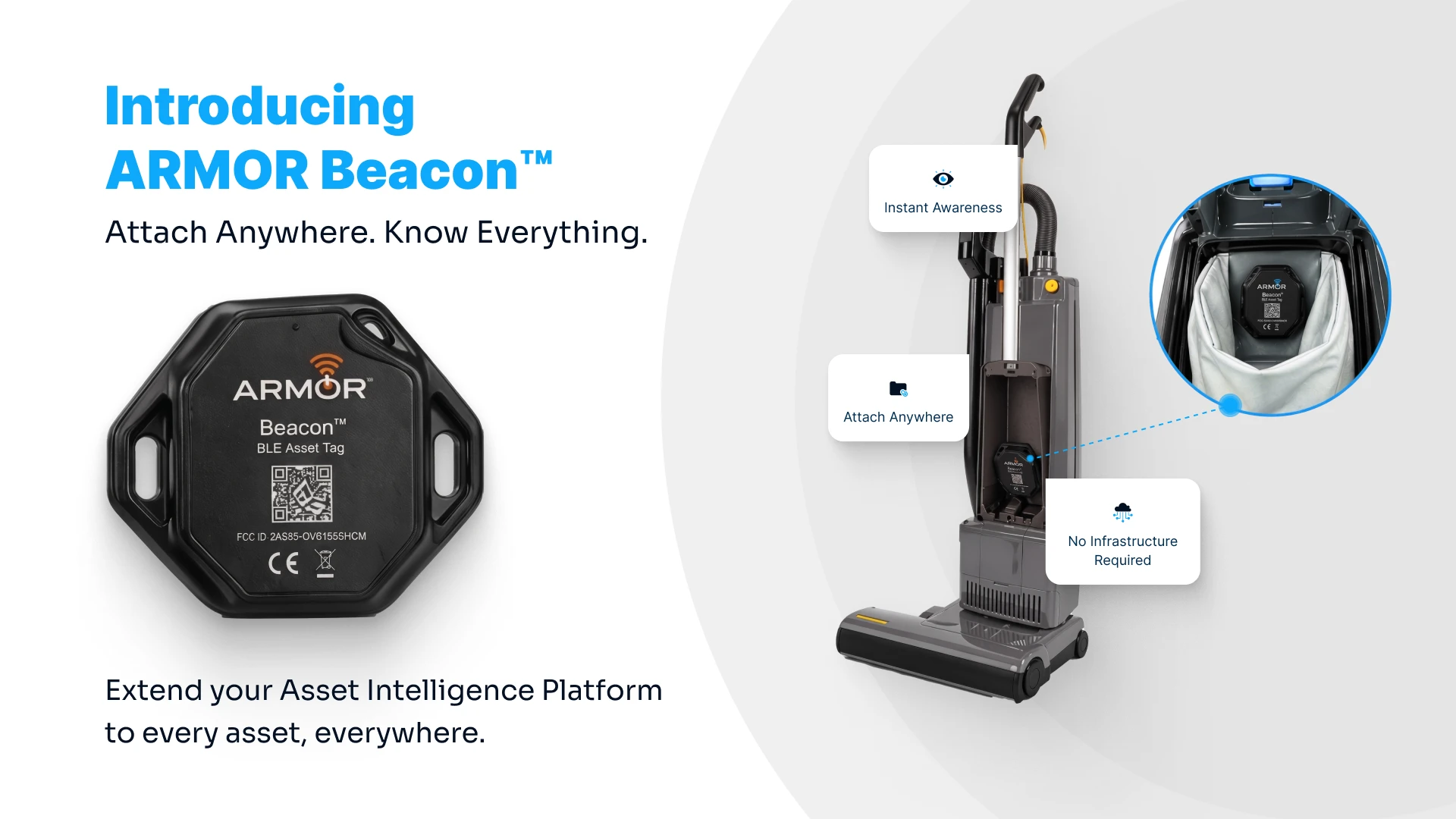
Location data isn’t only useful outdoors, either. Indoor assets, tools, and equipment stored across large facilities or multi-building campuses need the same visibility without relying on satellite signal. ARMOR 4+™ extends location visibility indoors through Wi-Fi positioning across warehouses and campuses, with BLE tags identifying smaller tools and accessories that a GPS unit alone would miss. Find-me and recovery tools, sirens, strobes, and geofencing, activate on top of that same location layer to help a team locate or secure an asset directly.
What Happens When Runtime, Battery, and Location Data Work Together?
When these three data types combine, they answer questions no single one can answer alone. Runtime tells you whether a machine is worth keeping. Battery data tells you why it keeps failing. Location tells you where it actually is right now, not where the last paper log said it was.
That combination is what shifts maintenance from schedule-based to behavior-driven. A generator with low runtime, stable battery health, and a location inside a secured yard needs nothing right now. A near-identical unit with high runtime, degrading battery trends, and a location outside its expected geofence needs attention today, not at the next scheduled inspection. Neither distinction is visible from a spreadsheet updated once a quarter.
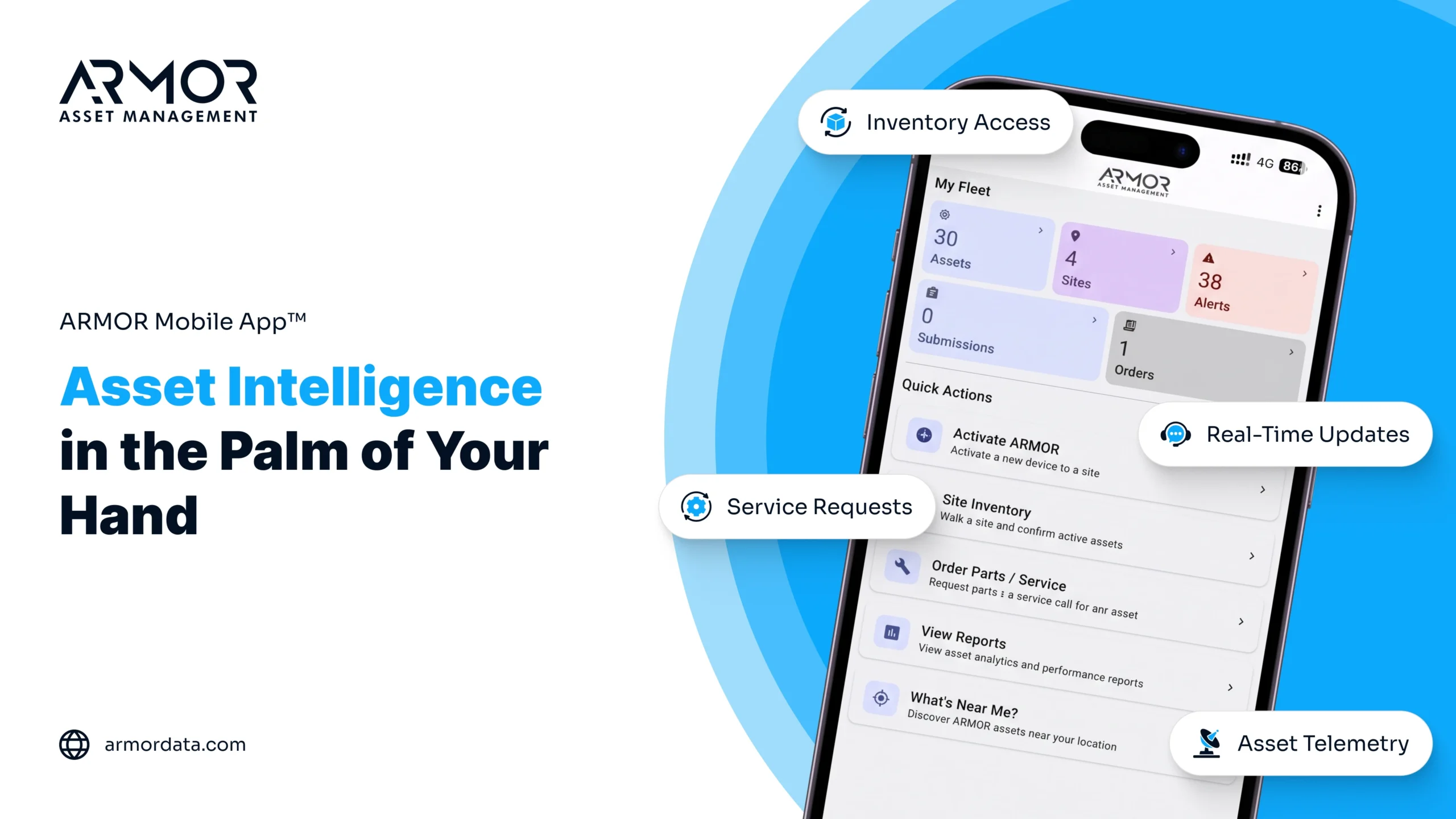
Multi-site operators who consolidate all three signals into one platform describe the same shift consistently: decisions move from “let’s go check” to “we already know,” because the runtime, battery, and location feed from every connected asset builds a clearer picture with each additional unit added to the fleet. ARMOR Asset Central™ is built as that single system of record, pulling runtime, battery, and location data from ARMOR 4+™ and ARMOR Track™ hardware into one place instead of three separate dashboards.
Frequently Asked Questions
What is runtime data and why does it matter for asset management?
Runtime data is the actual hours an asset operates, captured directly from the equipment instead of estimated from a schedule. It matters because maintenance planned around real runtime catches wear before failure, instead of following a calendar that ignores how hard a machine is actually working.
Can battery data really predict equipment failure before it happens?
Yes. Continuous battery monitoring tracks voltage, temperature, and charge cycles to flag degradation before a battery reaches a critical threshold, shifting maintenance from a reactive replacement after failure to a scheduled one before it (Portwise, 2026).
Does location tracking actually help recover stolen equipment?
It substantially improves the odds. Untracked construction equipment is recovered less than 25% of the time once stolen, while GPS-tracked fleets recover assets at several times that rate, often within hours instead of never (LiveViewGPS, 2026).
How does combining runtime, battery, and location data change fleet decisions?
Together, the three data types answer questions no single one can alone: whether a machine is worth keeping, why it keeps failing, and where it actually is. That combination is what turns asset data into fleet-wide decisions instead of isolated alerts.
Do you need separate hardware for runtime, battery, and location tracking?
No. A single connected device installed on the asset, such as ARMOR 4+™, can capture all three simultaneously and sync the data into one platform, rather than requiring separate systems for usage, power, and position. If you’re weighing which hardware fits a specific fleet, the Support team can walk through the options.
Runtime, battery, and location data only create value when they land in one place instead of three separate tools. ARMOR™ connects field hardware, a cloud system of record, and mobile verification into a single asset intelligence platform, without replacing the ERP you already rely on. Request a demo to see what your assets have been trying to tell you.