A Cisco survey cited in industry research found that 81% of senior business leaders report their organization’s data is scattered across different silos. Equipment data is one of the most common casualties of that fragmentation. A piece of equipment might be logged in one site’s spreadsheet, referenced in another site’s maintenance software, and missing entirely from whatever system corporate uses for budgeting. Getting real, current visibility across multiple sites means solving a data problem before it becomes a visibility problem.
This is one part of a bigger multi-site problem. See how the inventory-accuracy side breaks down, why replacing your ERP isn’t the fix, and what poor visibility actually costs.
Key Takeaways
- 81% of senior business leaders report their organization’s data is scattered across different silos, according to a Cisco survey cited in industry research.
- Multi-site equipment fragmentation starts as an operational inconvenience but eventually affects budgeting accuracy and asset investment decisions across the whole organization.
- Most multi-site visibility problems are not caused by a lack of data. They are caused by data that exists in incompatible, disconnected systems.
- A single connected system of record removes the need to reconcile five different site-level spreadsheets into one picture.
- ARMOR Asset Central™ unifies asset data across every connected site, without requiring any site to replace the systems it already runs on.
Why Multi-Site Operations Lose Visibility First
A Cisco survey cited in industry research found that 81% of senior business leaders report their data is scattered across silos within their organization. Multi-site equipment operations are where this shows up earliest, because each location tends to develop its own local system, a spreadsheet, a whiteboard, a site-specific maintenance log, long before anyone tries to compare data across locations. What looks like a minor inconsistency at first, one site logging hours differently than another, eventually affects financial performance, budgeting accuracy, and asset investment decisions at the organizational level. The instinct when visibility breaks down is usually to collect more data. The actual problem is rarely a shortage of data. Every site already has some record of its own equipment. The problem is that none of those records agree with each other, or even use the same fields, which means more data collected the same fragmented way just produces more inconsistency, not more visibility. ARMOR Beacon accessories
What Real Time Actually Means in a Multi-Site Context
Real time visibility does not mean staring at a live map. It means that when someone at headquarters asks how many units of a given equipment type exist across all sites right now, the answer comes from a system that reflects reality, not from a phone call to five site managers and a wait for someone to check. The moment that answer requires manual reconciliation across separate systems, it is no longer real time regardless of how current any single site’s own data might be.
What Real-Time Multi-Site Visibility Actually Requires
- One shared record, not synced copies. Every site reads and writes to the same underlying data, not a periodically synced copy of it.
- Standardized identifiers across sites. If one site calls a unit by a different name or tag than another, no system can tell they are the same asset.
- Updates as they happen, not on a schedule. A location or status change should reflect in the shared system immediately, not at the next nightly sync.
- A single point of query. Anyone asking a fleet-wide question should get an answer from one system, not from combining several site-level reports by hand.
Why One System of Record Solves This Instead of More Reporting
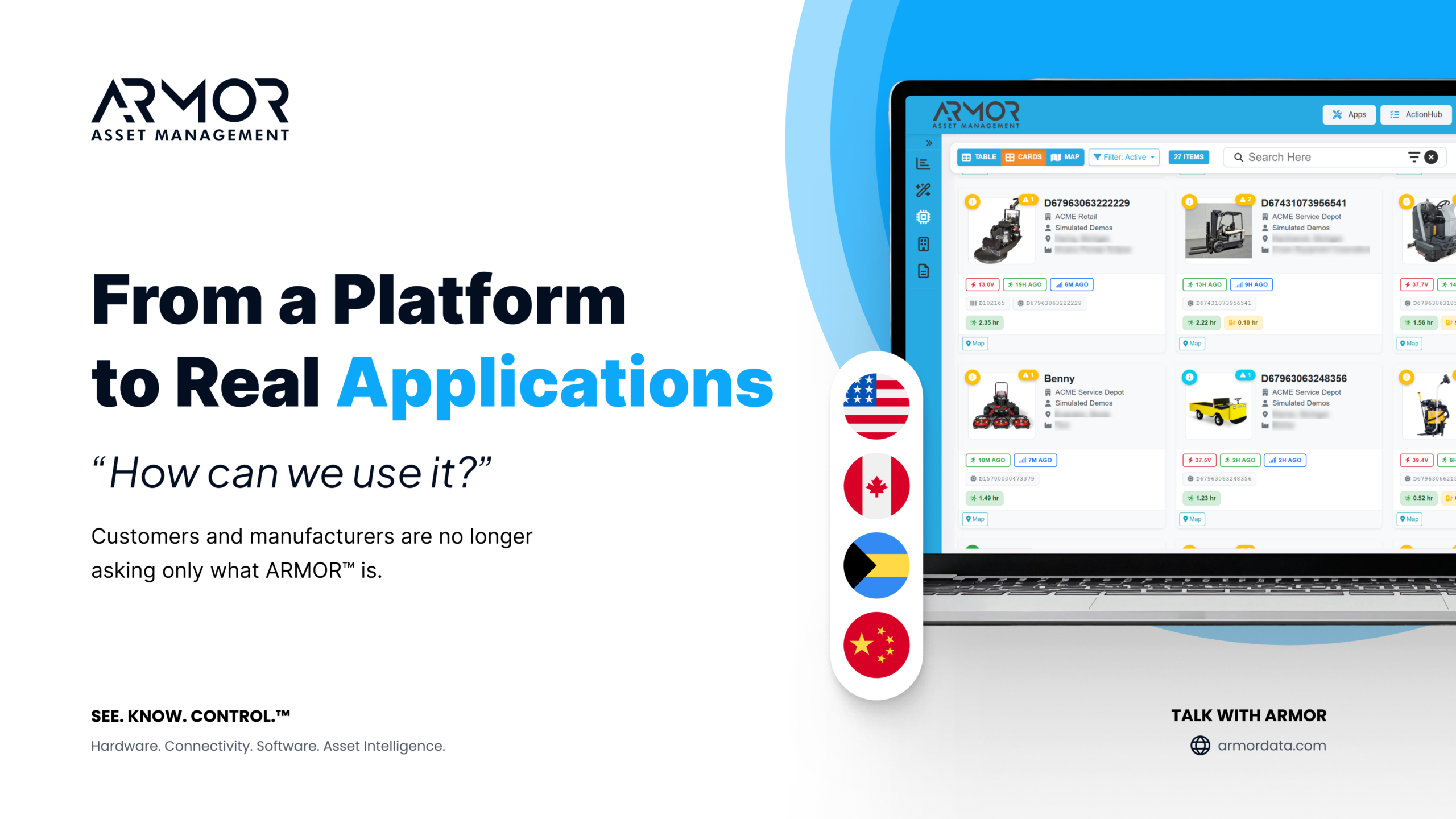
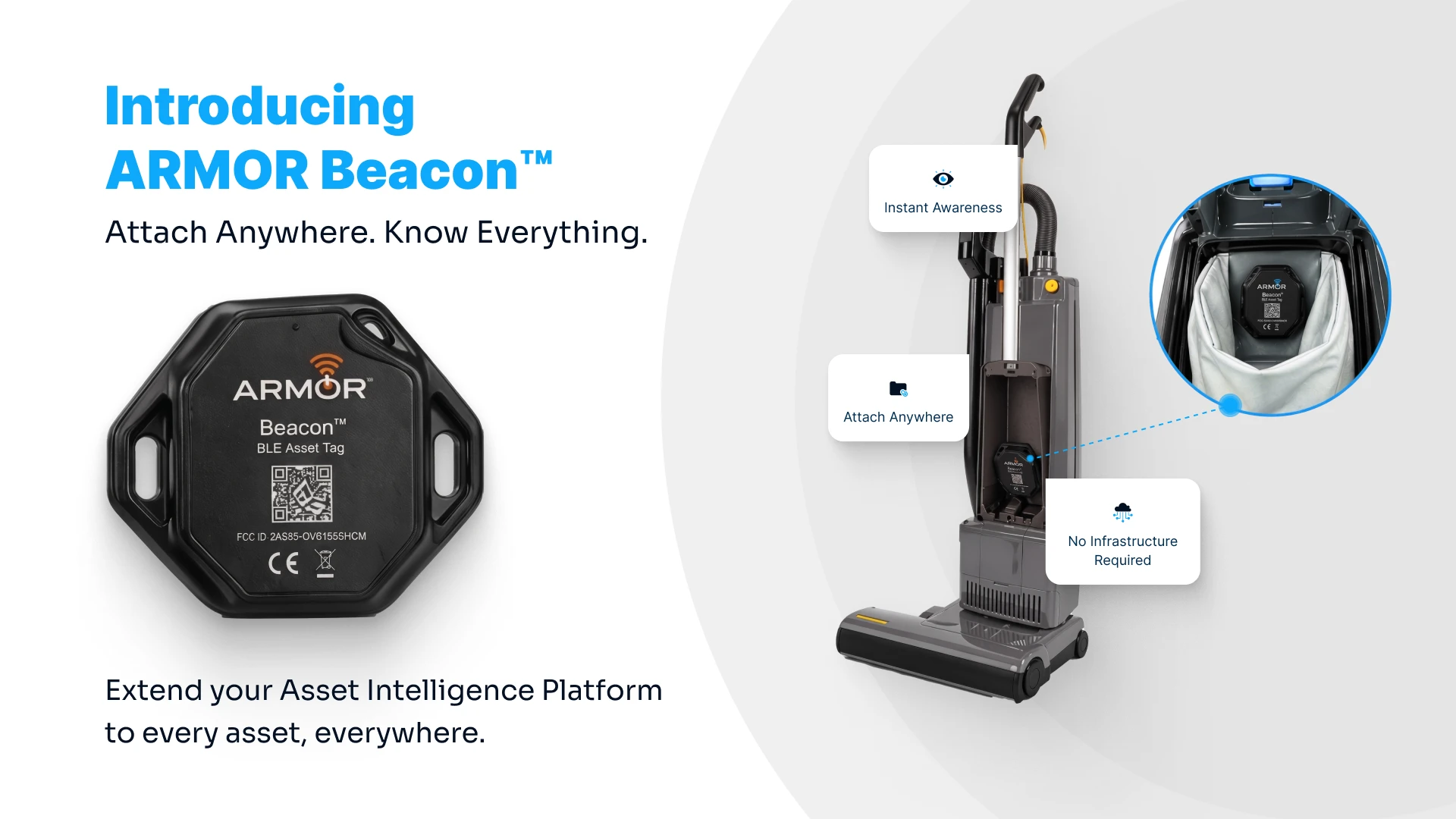
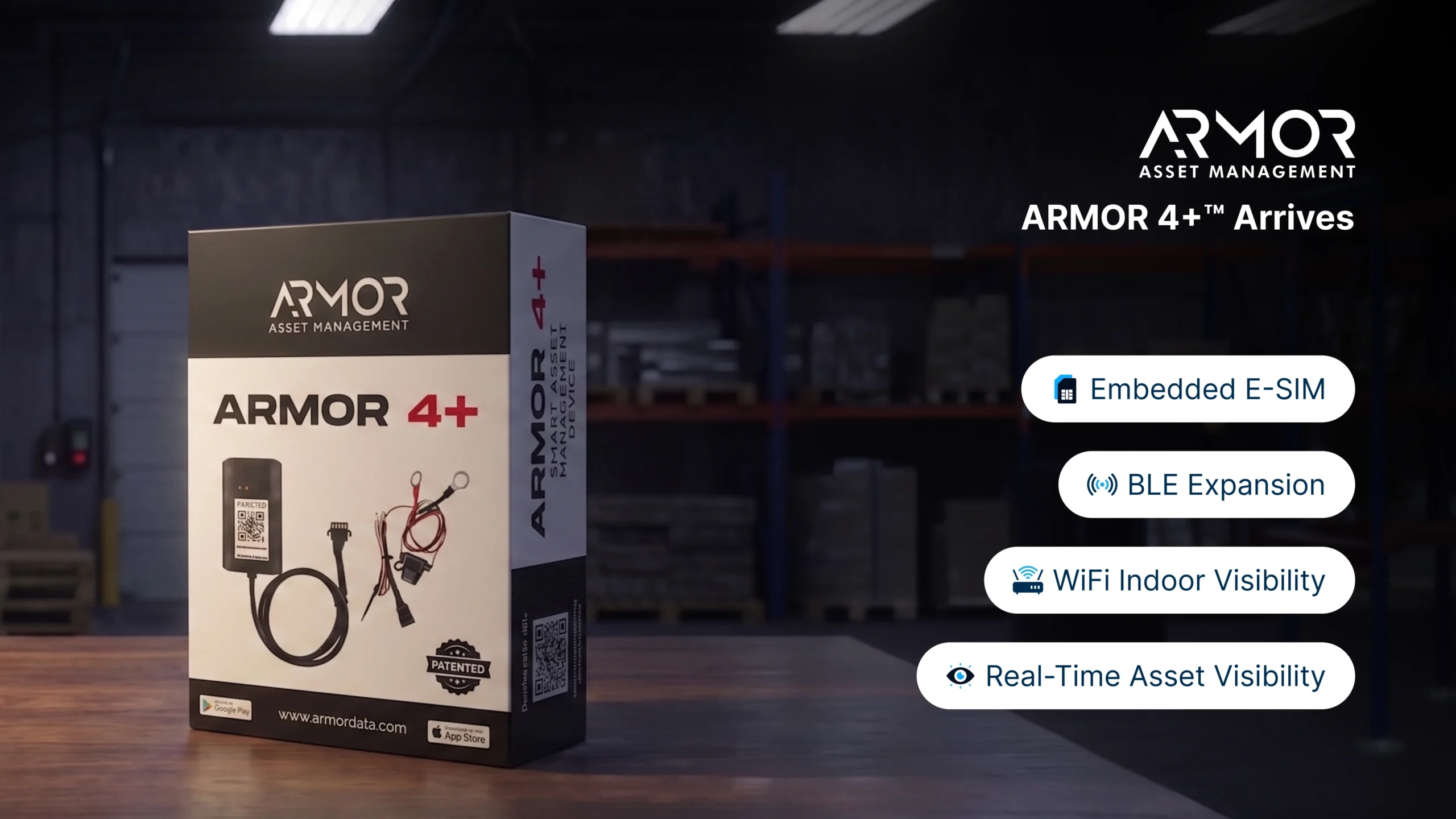
Adding more reporting on top of fragmented site-level systems does not fix the underlying problem, it just produces more reports to reconcile. ARMOR Asset Central™ functions as a single system of record for physical assets across every connected site, so equipment logged at one location and equipment logged at another location live in the same structure, with the same fields, updated the same way. That removes the reconciliation step entirely rather than making it faster. Deployment does not require any individual site to give up the systems it already runs on. ARMOR 4+™ and ARMOR Beacon™ use non-destructive integration, so a site’s existing workflows continue while its equipment data feeds into the shared system alongside every other connected location. ARMOR Asset Central overview
What This Looks Like in Practice
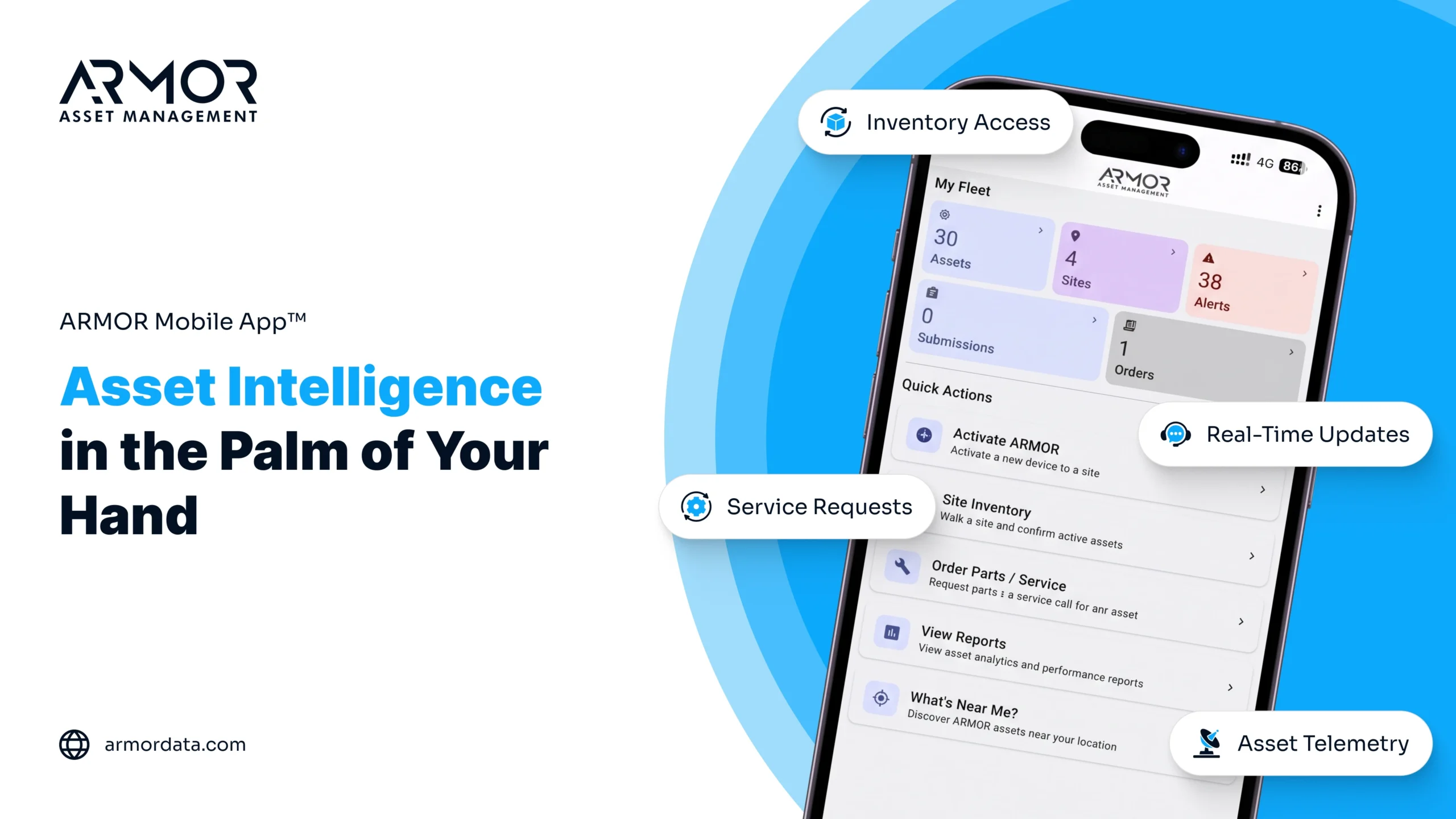
An operation running equipment across four regional sites stops asking each site manager for a manual count before a quarterly review. Every unit tagged and connected through the ARMOR™ App feeds the same ARMOR Asset Central™ record regardless of which site it is physically located at. A corporate planning question that used to take a week of phone calls and spreadsheet reconciliation gets answered directly from the system, the same day it is asked.
Frequently Asked Questions
Why do multi-site operations lose equipment visibility so often?
Each site tends to develop its own local method for recording equipment data before anyone compares data across locations, and 81% of senior business leaders report their organization’s data is scattered across silos as a result, according to a Cisco survey cited in industry research.
Does fixing this require replacing what each site already uses?
No. ARMOR 4+™ and ARMOR Beacon™ use non-destructive integration, so each site’s existing workflows continue while equipment data feeds into a shared system of record alongside every other connected location.
What does real time actually mean for multi-site equipment data?
It means an equipment question can be answered directly from the system without a phone call to individual sites or a manual spreadsheet reconciliation.
How does ARMOR Asset Central™ unify data across sites?
Every connected asset, regardless of which site it is located at, feeds into the same structure with the same fields, removing the need to reconcile separate site-level systems into one picture. Want one accurate view of your equipment across every site? Explore ARMOR Asset Central™ or talk to our team about connecting your locations.