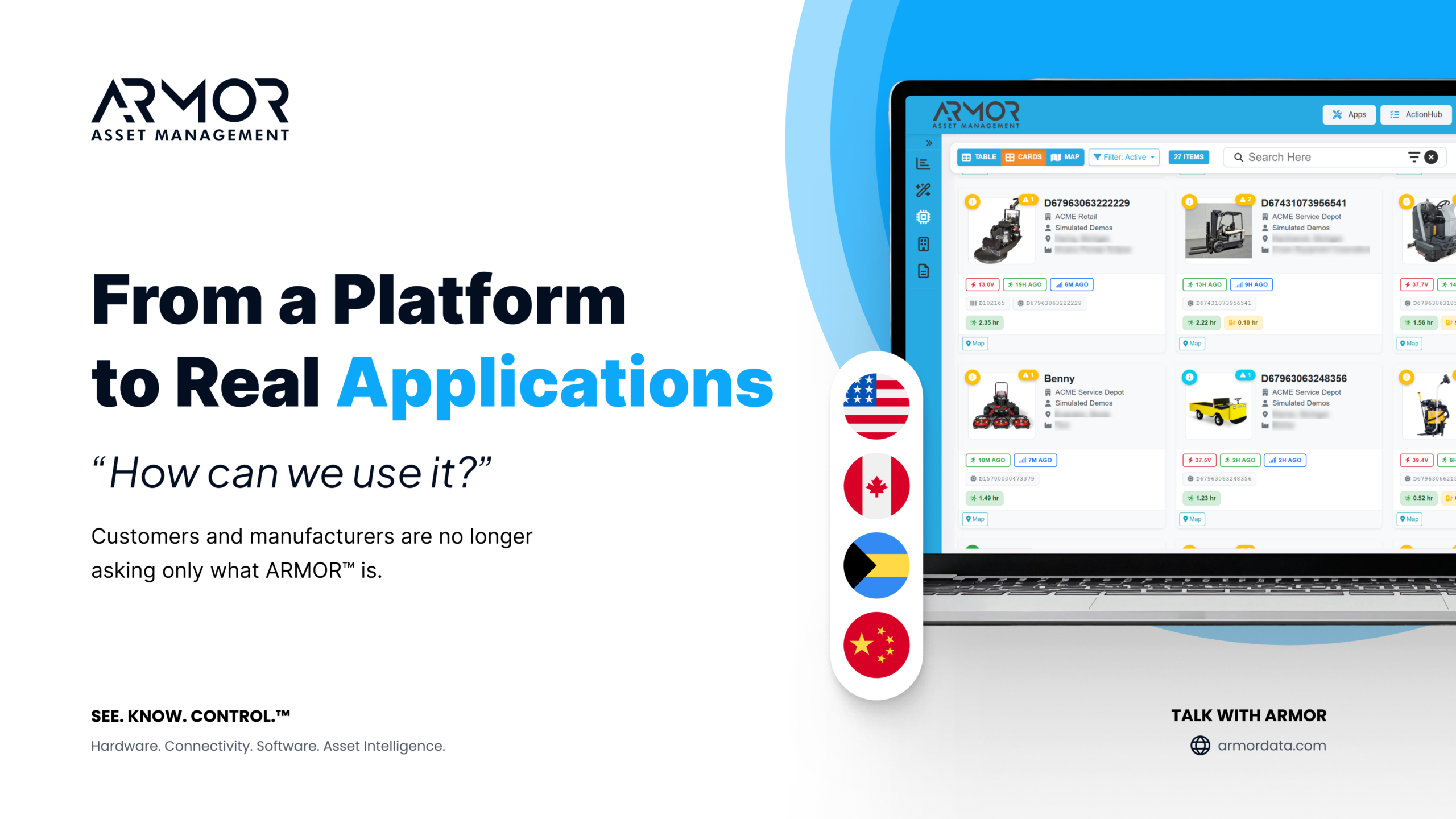
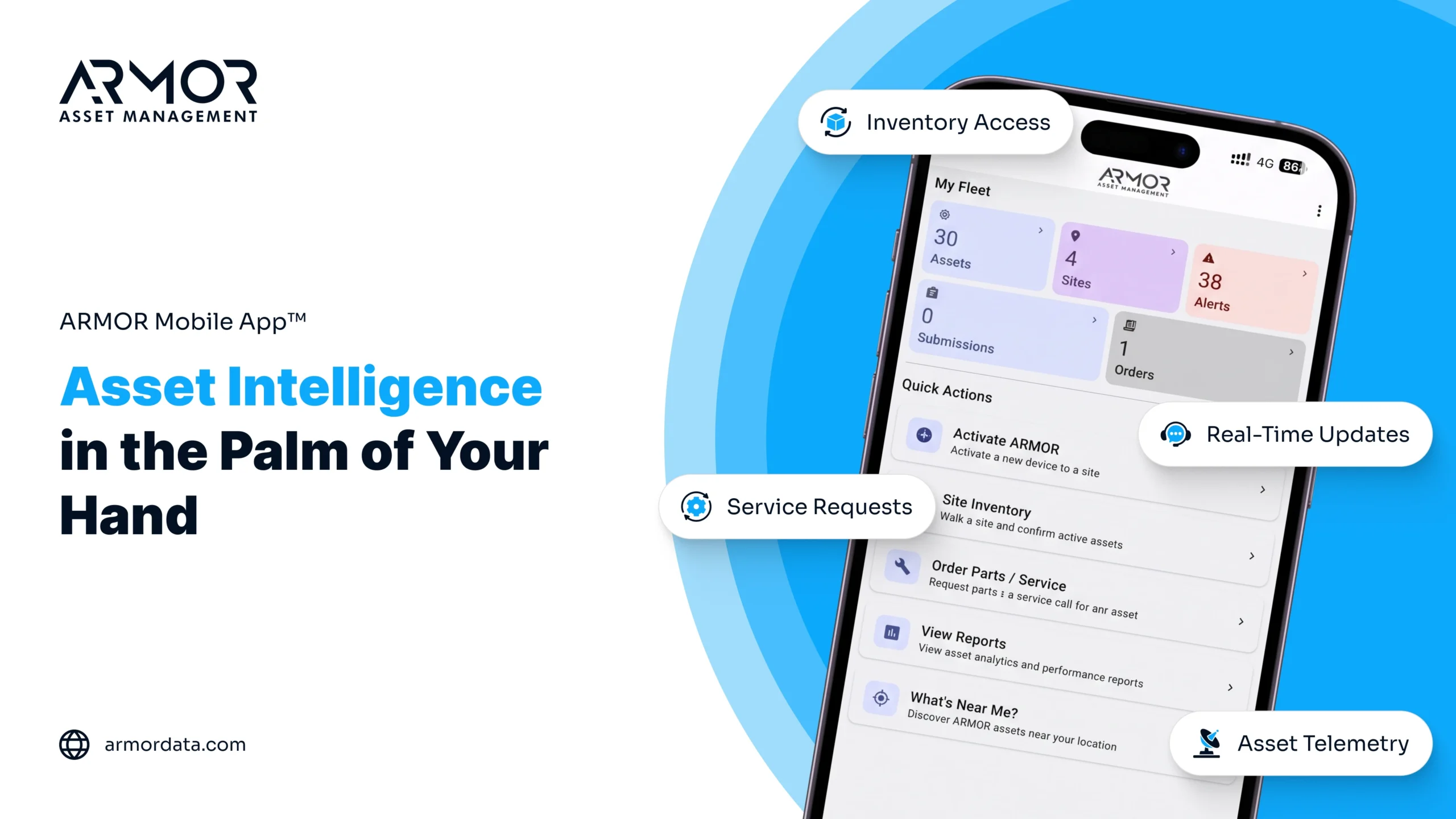
You manage assets across many locations without replacing existing systems by adding a connected data layer that reports directly from the asset, then feeding that verified data into the ERP, CMMS, or spreadsheet process each site already uses, instead of migrating every location onto one new platform. Multi-site visibility is a data problem, not a software-replacement problem, and treating it as the latter is exactly why so many of these projects stall. The instinct to solve fragmented visibility with a single new system is understandable. It’s also, according to the data, one of the riskiest ways to get there. (This is one piece of a larger multi-site visibility problem — see how real-time visibility works across every location for the full picture.)
Key Takeaways
- Between 55% and 75% of ERP projects fail to meet their objectives (Gartner via KreativeCoreTech, 2026).
- 73% of discrete manufacturing ERP projects specifically fail to meet their objectives, with average cost overruns of 215% (Panorama Consulting via Godlan, 2026).
- 51% of companies experience operational disruptions when going live with a new ERP system (Gartner/Deloitte via ConcordERP, 2026).
- Multi-site operations that centralize asset data without a platform swap gain real-time visibility while avoiding that replacement risk entirely.
- A true multi-site architecture gives one hierarchical view across locations without requiring every site to run identical back-office software.
Why Is Replacing Your Systems the Wrong First Move for Multi-Site Visibility?
Replacing your systems is the wrong first move because ERP replacement projects fail at rates that would be unacceptable for almost any other business decision. Between 55% and 75% of ERP projects fail to meet their intended objectives (Gartner via KreativeCoreTech, 2026), and that risk climbs to 73% specifically within discrete manufacturing, with average cost overruns reaching 215% of the original budget (Panorama Consulting via Godlan, 2026). The disruption isn’t limited to budget and schedule either. 51% of companies experience operational disruptions the moment a new ERP goes live (ConcordERP, 2026), and the leading causes of failure, inadequate change management, poor data migration, and inexperienced implementation teams, account for over 75% of failures combined. None of those risks shrink because a company operates across multiple sites. If anything, more locations means more data to migrate, more logins to retrain, and more chances for the rollout to go sideways at any single site.
How Does a Non-Destructive Approach Solve the Same Visibility Problem?
A non-destructive approach solves the same visibility problem without a cutover date, a training rollout, or the kind of go-live disruption 51% of ERP replacements experience (see how non-destructive integration works across sites for the full mechanics). The equipment, the ERP, and the team’s daily workflow stay exactly as they are. What changes is where accurate data comes from. Instead of asking finance, operations, and field teams to migrate their records into one new master system, field hardware captures runtime, location, and condition data directly from the asset and syncs it into a central platform that sits alongside whatever each site already runs.
| Approach | Typical Timeline | Disruption Risk |
|---|---|---|
| Full ERP replacement | 12 to 24 months plus change management | 51% experience go-live disruption (ConcordERP, 2026) |
| Non-destructive data layer | Days per site to begin reporting | No system migration, no retraining required |
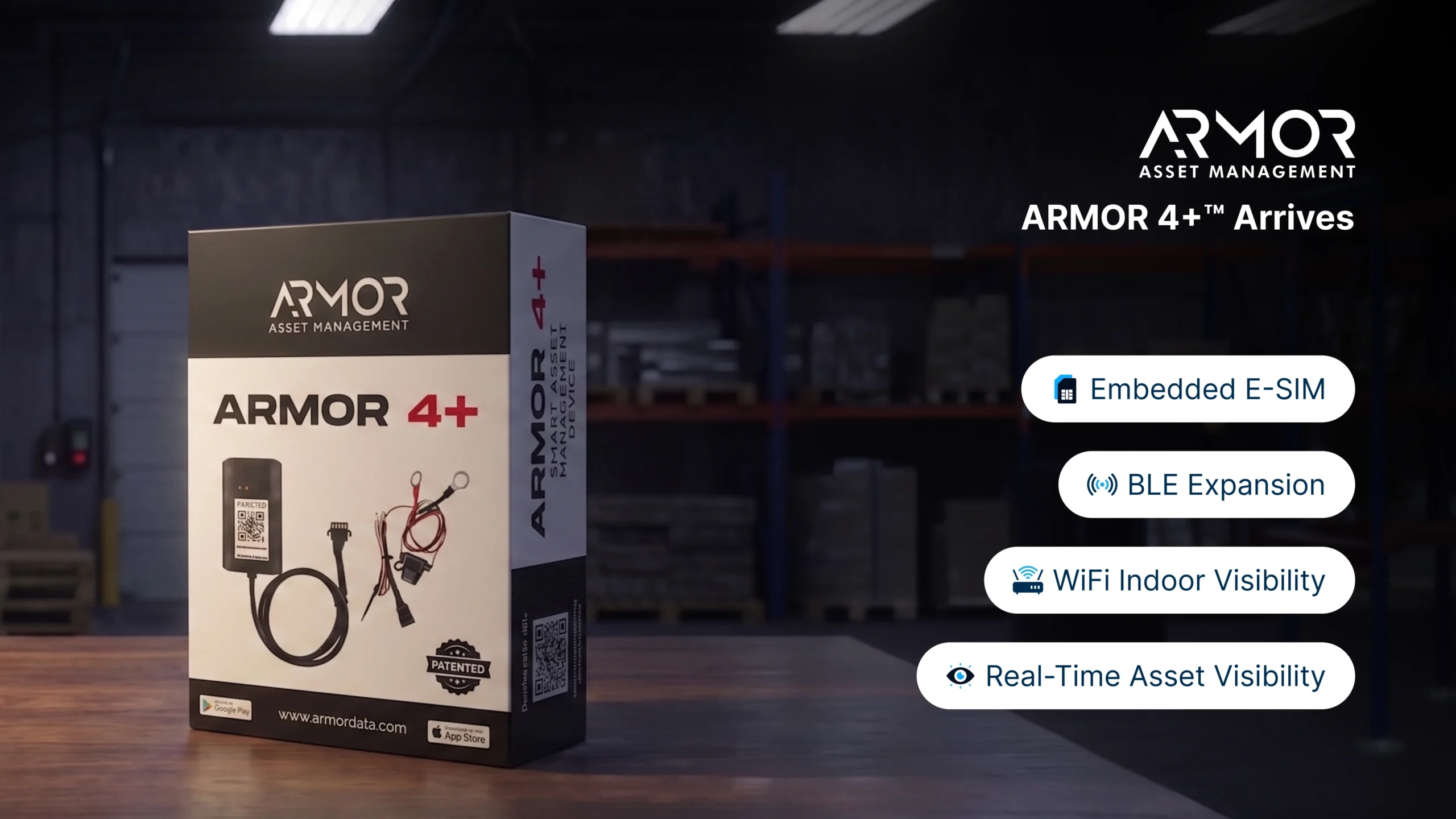
ARMOR 4+™ is built specifically as that non-destructive layer. It installs alongside existing equipment, and ARMOR™ devices are not even required to use ARMOR Asset Central™, meaning the platform adapts to what a site already has rather than requiring uniform hardware everywhere before visibility can begin.
What Actually Breaks First When Asset Data Is Fragmented Across Sites?
What breaks first is comparability. Without a shared system, it becomes difficult to compare repair times, vendor costs, and service quality consistently across locations, and when data is fragmented, insights get skewed in ways that make it harder to identify where problems actually originate. A site with genuinely worse equipment and a site with genuinely worse recordkeeping can look identical from headquarters. Historical data disappears too. When maintenance staff change or a site upgrades its local system, repair records are frequently lost entirely, forcing teams to treat equipment as having no history and repeat diagnostic work that was already done once (OxMaint, 2026). Without a unified asset register, different sites end up stocking different parts for equivalent assets, inflating carrying costs at some locations while creating supply gaps at others when failures hit multiple sites simultaneously. A true multi-site architecture avoids this by giving one hierarchical view across locations, rather than dozens of siloed accounts that each market themselves as multi-site while actually staying disconnected from each other (Limble, 2026). ARMOR Asset Central™ is built as that single system of record, giving every site a shared view of asset identity, runtime, and lifecycle status without requiring any site to abandon what it already runs day to day.
How Do You Get Started Across Multiple Locations Without a Company-Wide Rollout?
You get started by connecting your highest-priority sites or assets first, proving the data is accurate and useful, and expanding from there, rather than committing to a simultaneous rollout across every location on day one. That staged approach is exactly what a non-disruptive system makes possible; a full ERP replacement generally can’t be staged this way, since the underlying system change tends to require most or all of a company’s data at once. Distribution networks and multi-site facility operators benefit from this most directly. A distribution network gets one verified fleet record across regional warehouses instead of scattered spreadsheets, and a multi-site facility operator gets enterprise-wide asset visibility while maintenance shifts from schedule-based to behavior-driven, all without a single site changing the software it already relies on for its daily operations. The ARMOR™ platform is built around this exact sequence: connect the assets, verify the data, and let visibility expand site by site instead of forcing every location through the same disruptive cutover at once.
Frequently Asked Questions
Why do so many ERP replacement projects fail?
Most ERP failures trace back to inadequate change management, poor data migration, and inexperienced implementation teams rather than the software itself. Those same risks apply whether a company has two locations or two hundred, which is why replacement is rarely the fastest path to multi-site visibility (KreativeCoreTech, 2026).
What does it mean to add a system without replacing existing ones?
It means new hardware or software connects to and enriches the data in an existing ERP, CMMS, or spreadsheet process, rather than requiring that system to be migrated, reconfigured, or shut down. Workflows and logins stay the same while the underlying data becomes more accurate.
Can a non-disruptive asset system still give real-time visibility across every location?
Yes. Real-time visibility comes from where the data is captured, at the asset itself, not from which system stores it. Field hardware can report continuously into a central platform regardless of what ERP or accounting software a given site already runs.
How long does it take to get multi-site visibility without an ERP replacement?
Considerably less time than a replacement project, which commonly runs 12 to 24 months before change management even begins (Bettera, 2026). Non-destructive hardware that installs alongside existing assets can begin reporting data within days of installation at a given site.
Do all sites need to be on the same software to get centralized visibility?
No. A true multi-site architecture gives a single, hierarchical view across locations without requiring every site to run identical back-office software, since the connecting layer sits above those systems rather than replacing any of them. The Support team can walk through what this looks like for a specific mix of site systems. Multi-site visibility doesn’t require a company-wide system change. ARMOR™ connects field hardware, a cloud system of record, and mobile verification into a single asset intelligence platform, without replacing the ERP any site already relies on. Request a demo to see what your assets have been trying to tell you.